A well-packed cooler can make the difference between an easy tailgate and an afternoon spent digging through melting ice for the mustard. When you’re carrying raw meat, cold sides, drinks and ready-to-eat foods in the same setup, organization matters just as much as the amount of ice you bring. Knowing how to pack a tailgate cooler can help your food stay colder, make everything easier to find and keep game day running smoothly from the time you leave home until the last burger comes off the grill.
That matters even more around North Myrtle Beach and the Grand Strand, where football season can still bring warm afternoons well into fall. The best approach starts before you load the cooler. Chill everything first, pack foods according to when you’ll need them and keep raw meat safely separated from ready-to-eat items. Boulineau’s Foods Plus can help you stock up on meat, drinks, sides and other game-day favorites, while Boulineau’s Ace Hardware can help with coolers and other gear for your tailgate setup.
What Is The Best Way To Pack A Tailgate Cooler?
The best way to pack a tailgate cooler is to start with food and drinks that are already cold, use enough ice or frozen packs to surround them and organize everything so you aren’t opening the lid every few minutes. A cooler works best when it holds cold food at a safe temperature rather than trying to cool down items that went in warm. Before packing, refrigerate meat, drinks, deli foods and prepared sides so everything starts out as cold as possible.
Think about the cooler in layers instead of tossing everything inside at once. Put a cold source at the bottom, then add securely packaged foods that you won’t need right away. Fill gaps with ice or frozen packs as you go so large pockets of warm air don’t build up inside. Foods you plan to use first should stay closer to the top, while raw meat needs to remain tightly sealed and separated from anything that can be eaten without cooking.
Once the cooler is packed, keep the lid closed as much as possible and place it in the shade when you arrive. If you’re tailgating with a larger group, using separate coolers for food and drinks can make the whole system even more effective because the food cooler won’t lose cold air every time somebody wants another bottle of water.
Should You Chill The Cooler Before You Pack It?
Pre-chilling the cooler can give you a better starting point, especially if it has been sitting in a warm garage, storage room or car. A hot cooler forces your ice to spend part of its cooling power lowering the temperature of the cooler itself, which means less of that cold goes toward protecting your food. Bringing the cooler inside ahead of time or cooling it briefly before loading can help.
You can place ice packs or some ice inside the empty cooler before packing, then add fresh ice when the food goes in. The same idea applies to everything you’re bringing. Drinks should already be refrigerated, meat should come directly from the refrigerator and prepared foods should stay cold until you’re ready to leave. The colder your starting point, the easier it becomes for the cooler to do its job throughout the tailgate.
How Cold Should Tailgate Food Stay?
Perishable foods should stay at 40 degrees Fahrenheit or below until you’re ready to cook or serve them. That includes raw meat, poultry, dairy products, prepared salads, fresh sushi and other foods that normally require refrigeration. A small cooler thermometer can help you keep track of the temperature without relying on how cold the ice feels when you open the lid.
Outdoor temperature also affects how long food can safely sit on the table. Perishable foods generally shouldn’t remain out for more than two hours, and that time drops to one hour when the temperature reaches 90 degrees Fahrenheit or higher. That can matter during early fall on the Grand Strand because September and October afternoons can still get hot. Instead of putting every chilled food out at once, serve smaller amounts and leave the rest safely packed in the cooler until you need them.
Where Should Raw Meat Go In A Tailgate Cooler?
Raw meat should stay tightly sealed so juices can’t leak onto drinks, fruit, prepared sides or anything else that people will eat without cooking. Placing meat low in the cooler can add another layer of protection because a leak is less likely to drip onto other foods, but secure packaging remains the most important part of the setup.
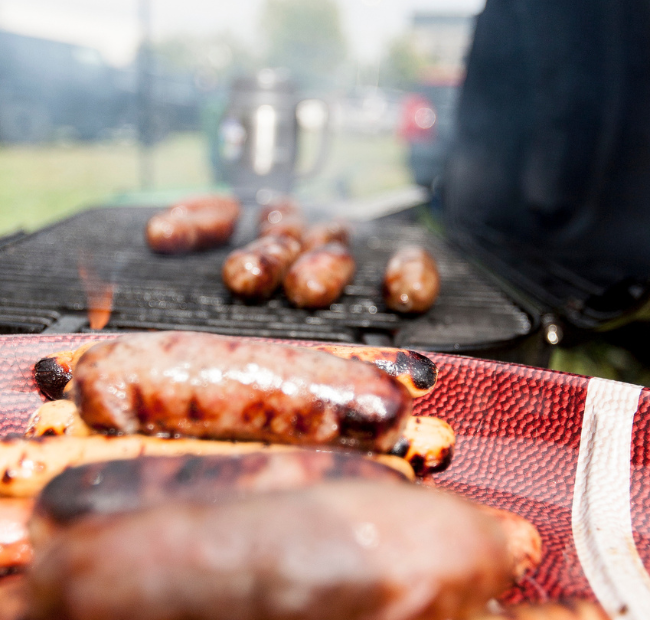
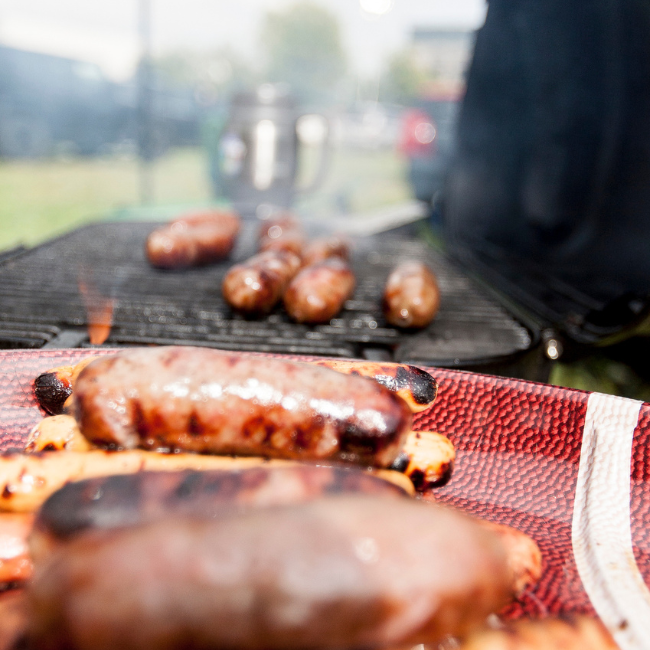
Burgers, chicken, steaks and Boulineau’s store-made sausages should travel in leakproof bags or containers. Double-bagging raw meat or placing it inside a second sealed container can give you extra protection during transportation. If your group is large enough to justify another cooler, dedicating one cooler to raw meat and grilling ingredients can make organization much easier and keep raw foods away from ready-to-eat items.
It also helps to portion meat before you leave. If you already know how many burgers, sausages or chicken pieces you plan to cook, pack them in manageable batches instead of carrying one large package you’ll have to divide outdoors. That reduces handling, keeps the cooler organized and lets you take out only what you’re ready to cook.
Should Drinks And Food Go In Separate Coolers?
Separate coolers work especially well for larger groups because the drink cooler will probably open far more often than the food cooler. People reach for water and other beverages throughout the entire event, which means the lid could open dozens of times. Each opening lets cold air escape and warm air enter.
When drinks have their own cooler, everyone can grab what they need without disturbing raw meat, prepared salads or other foods that need to stay consistently cold. It also keeps guests from digging through packages of food to find a drink. For a small tailgate, two coolers might not be necessary, but you can still organize a single cooler so drinks remain easy to reach while the most perishable foods stay deeper inside and surrounded by ice.
A separate drink cooler can also make hydration easier during warm Grand Strand game days. Keep water visible and easy to grab rather than burying it underneath everything else so people are more likely to stay hydrated throughout the afternoon.
Is Ice Or An Ice Pack Better For Tailgating?
Loose ice and reusable ice packs both work well, and combining them can give you the benefits of each. Ice packs stay contained and help keep packages dry, while loose ice fills the small spaces between food containers and bottles more effectively. Using both can help you build a colder, more tightly packed cooler.
Frozen water bottles can also work as part of the setup because they start as cold packs and can become extra drinking water as they thaw. Just remember that they take up valuable cooler space, so balance them against how much food and drink you need to carry.
The key is using enough cold material to surround the contents rather than placing one small bag of ice on top of a packed cooler. Fill empty spaces whenever possible because a tightly packed cooler usually holds temperature better than one with large air pockets throughout.
How Much Ice Do You Need For A Tailgate?
There isn’t one exact amount of ice that works for every tailgate because cooler size, outside temperature and event length all matter. A short evening tailgate on a mild day needs less cooling power than an all-afternoon event on hot pavement in September. Instead of focusing on one exact number, concentrate on having enough ice or frozen packs to surround the food and fill open spaces.
Warm weather around North Myrtle Beach can melt ice faster, especially if the cooler sits in direct sun or on hot pavement. Bringing extra ice gives you a way to refresh the cooler later and keeps you from having to make an unexpected supply run during the event.
You can also improve ice life by keeping the cooler in the shade and away from the grill. A great cooler setup can lose its advantage quickly if it spends the entire afternoon baking in direct sunlight beside a hot cooking area.
How Should You Pack Prepared Foods And Sides?
Prepared foods such as potato salad, pasta salad, cut fruit, dips, cheese and fresh sushi need to stay properly chilled until serving. Use containers with secure lids that stack easily and won’t leak when the cooler shifts during transportation. Square or rectangular containers can also make better use of space than several large round bowls.
Place foods you plan to serve early somewhere you can reach without unloading the entire cooler. Items for later in the day can stay deeper inside where they remain surrounded by ice. Shelf-stable foods such as unopened chips, crackers, buns and many bakery items usually don’t need cooler space, so keep them in a separate tote and save the cold storage for foods that actually require it.
Organizing this way also makes setup faster. Instead of pulling everything out and spreading it across the table as soon as you arrive, you can bring out only what the group is ready to eat and keep the rest safely chilled.
How Can You Keep A Tailgate Cooler Cold Longer?
The simplest strategy is to start cold, pack the cooler tightly and keep the lid closed. Those habits do more than many complicated cooler tricks because they reduce the amount of heat entering the cooler in the first place. Once you arrive, place the cooler under a canopy, in another shaded area or somewhere protected from direct sunlight and heat from the grill.
Try to decide what you need before opening the lid so you can grab several items at once instead of repeatedly searching through the cooler. Larger groups can even designate one person to pull out food for the next round of cooking, which cuts down on the number of people opening the food cooler.
For longer events, keep extra ice available and check the cooler temperature periodically. If the ice melts faster than expected, adding more before the food begins warming is much easier than trying to correct the problem later.
What Type Of Cooler Works Best For Tailgating?
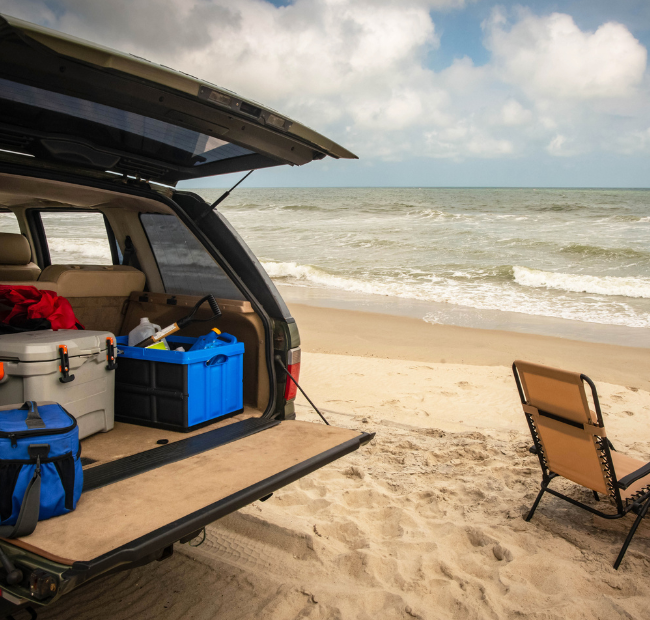
The right cooler depends on how many people you’re feeding, how long you plan to stay and how far you need to move everything from the vehicle to the tailgate. A smaller hard-sided cooler can work well for a few people and a short event, while larger insulated models provide more room for food and ice when you’re feeding a bigger group.
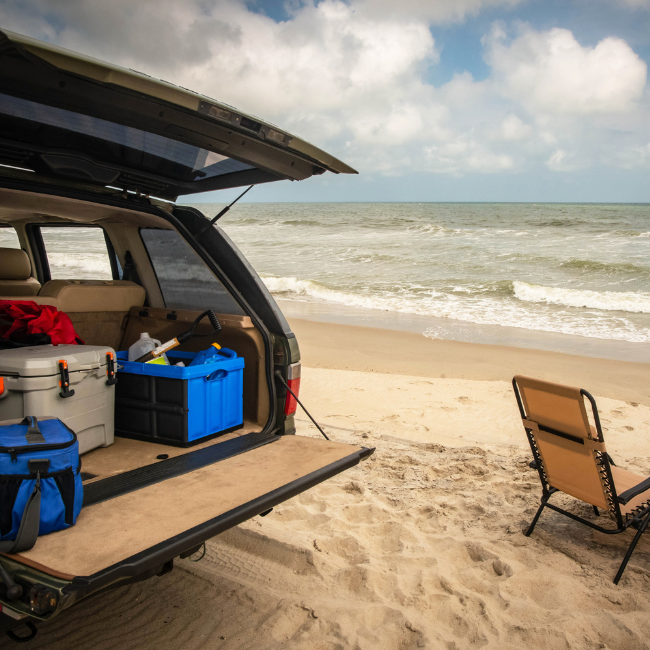
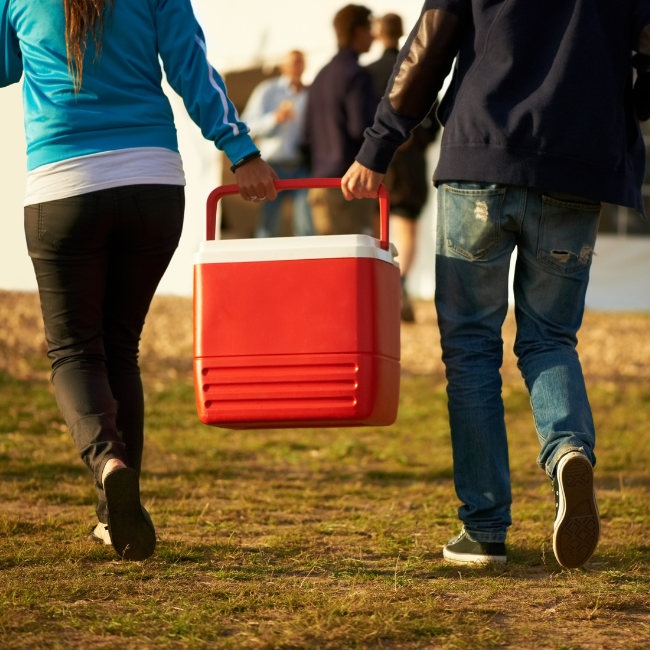
Portability deserves as much attention as capacity. A huge cooler sounds useful until it’s packed with drinks, meat and several bags of ice and somebody has to carry it across a parking lot. Wheeled models can make transportation easier, while two medium-size coolers might be more practical than one oversized cooler because you can divide food and drinks and make each load easier to handle.
Boulineau’s Ace Hardware can help with cooler and outdoor gear options, while Boulineau’s Foods Plus can help you fill them with burgers, chicken, store-made sausages, drinks, sides and other game-day favorites.
How Do You Pack Coolers For A Large Tailgate?
Large tailgates benefit from separating foods by purpose instead of trying to fit everything into one oversized cooler. One cooler can hold drinks and water, another can handle raw meat and a third can hold prepared foods and chilled sides when your group is large enough to need it. This keeps food safer, makes items easier to find and prevents the drink cooler from becoming the center of every food search.
Labeling coolers can also save time. A simple Drinks, Meat and Cold Food system makes it obvious where everything belongs and keeps guests from opening every lid. Pack each cooler based on when you’ll use its contents so the foods needed later in the day can stay buried under ice while the first items going onto the grill remain easy to reach.
This approach also makes cleanup easier because cooked leftovers can return to a clean food cooler instead of sharing space with raw meat packaging.
What Should You Do With Tailgate Leftovers?
Leftovers should go back into safe cold storage promptly instead of sitting on the table through the rest of the event. Food that has already stayed out too long shouldn’t go back into the cooler with the assumption that chilling it again makes it safe. The same time and temperature rules still apply after the meal.
Place properly chilled leftovers in clean, sealed containers and keep cooked food separate from raw meat. If your cooler has lost most of its ice by the end of the day, add fresh ice before packing leftovers for the trip home. You want the food to stay safely cold during the drive, not simply become cool again once it reaches your refrigerator.
Planning for leftovers before the tailgate helps too. Bring a few extra food-storage containers or resealable bags so you have something clean to use when the meal is over.
How Do You Clean A Cooler After Tailgating?
Once you get home, empty the cooler completely and wash it rather than leaving the cleanup for next weekend. Melted ice, spilled drinks and food juices can create odors quickly, especially if the cooler gets closed while it’s still damp.
Wash the interior with warm, soapy water and pay attention to corners, drains and areas where raw meat sat. If raw meat leaked inside, clean and sanitize the cooler properly before using it again. Let it dry completely with the lid open before storing it so moisture doesn’t stay trapped inside.
A clean cooler will be ready for the next game instead of becoming one more thing you have to deal with while everybody else is loading the car.
What Are The Most Common Tailgate Cooler Mistakes?
Many cooler problems start before anyone leaves home. Packing warm food, using too little ice and leaving large empty spaces inside all make it harder for the cooler to hold a safe temperature. Mixing poorly wrapped raw meat with ready-to-eat foods creates another avoidable risk, while repeatedly opening the lid allows heat to build throughout the day.
Placement can also work against you. A cooler sitting in direct sun, on hot pavement or close to the grill has to work much harder than one protected in the shade. Another common mistake is using every bit of ice at the beginning without planning for a long afternoon or the trip home.
A little organization prevents most of these problems. Chill everything first, separate foods carefully, bring enough ice and think about how you’ll use the cooler throughout the day instead of only how you’ll pack it at the start.
Where Can You Get Tailgate Coolers And Food In Cherry Grove?
Boulineau’s can help you cover both sides of your cooler setup right here in Cherry Grove. Boulineau’s Ace Hardware can help with coolers and other outdoor tailgating gear, while Boulineau’s Foods Plus can help you fill that cooler with burgers, chicken, Boulineau’s store-made sausages, prepared sides, fresh sushi, drinks, ice and other game-day favorites.
Before you shop, decide how many people you’re feeding, how long you’ll stay and whether you need one cooler or several. Then organize your food around what needs to stay cold, pack plenty of ice and keep everything easy to reach. A little planning before kickoff can make the entire tailgate feel easier.
Pack It Right And Enjoy More Of Game Day
Learning how to pack a tailgate cooler comes down to a few simple habits that work together. Start with chilled food, keep raw meat securely separated, fill empty spaces with ice and organize the cooler according to when you’ll need each item. If you’re feeding a crowd, separate food and drinks so the most perishable items can stay cold without the lid opening all afternoon.
With Boulineau’s Foods Plus handling the food, drinks and ice and Boulineau’s Ace Hardware helping with coolers and outdoor gear, you can get game-day ready in Cherry Grove before you head out. Pack the cooler once, keep it cold and spend the rest of the day focused on the food, the game and the people you came to enjoy it with.
FAQs
1. What Should Go On The Bottom Of A Tailgate Cooler?
Start with ice, frozen packs or another cold layer, then add tightly sealed raw meat and other items you won’t need immediately. Place prepared food and frequently used items higher in the cooler, while adding ice around and between everything to reduce warm air pockets and help hold a cold temperature.
2. Should I Use Separate Coolers For Food And Drinks?
Separate coolers work especially well for larger or longer tailgates because people open the drink cooler much more often. Keeping raw meat and other perishable food in another cooler lets those items stay colder and also makes it easier to prevent raw food from coming into contact with ready-to-eat items.
3. How Long Can Tailgate Food Stay Out Of The Cooler?
Perishable food generally shouldn’t remain out for more than two hours, and that drops to one hour when outdoor temperatures reach 90 degrees Fahrenheit or higher. Keep cold food at 40 degrees or below until you’re ready to serve or cook it, and return leftovers to safe cold storage promptly.