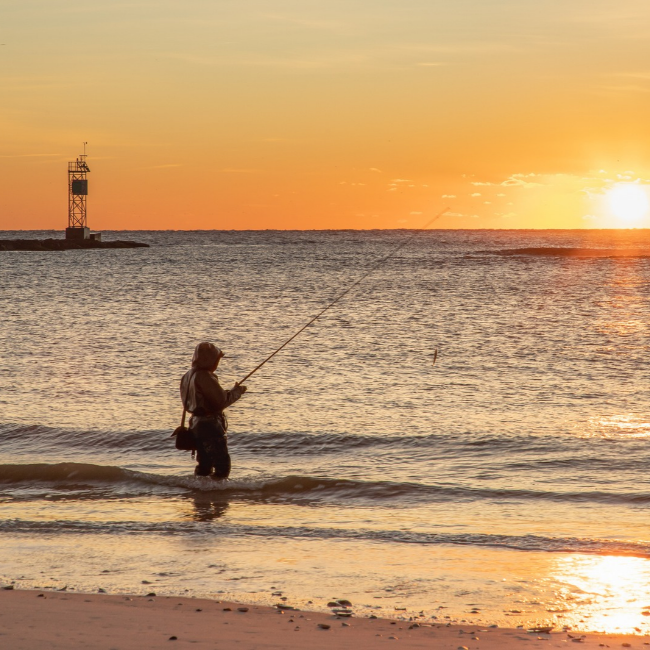
Surf fishing around Cherry Grove and North Myrtle Beach does not stop when October ends. November can still bring good opportunities from the beach, and mild stretches in December can keep anglers casting when conditions line up. What changes is the way you need to approach the water.
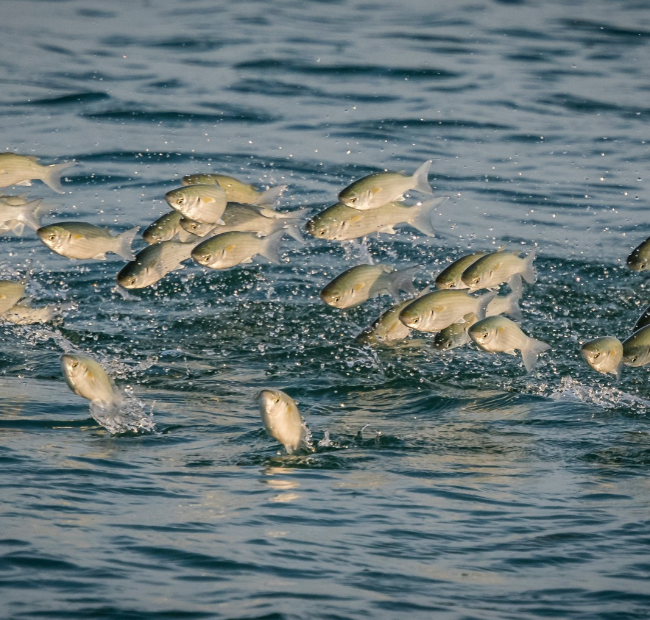
As temperatures fall, bait becomes less abundant, some migratory species move away and others shift toward deeper or more protected water. Striped mullet continue their seasonal movement toward offshore spawning areas through fall and winter, while red drum, whiting and other bottom-feeding fish can remain part of the surf-fishing picture. Successful fall surf fishing becomes less about repeating what worked in September or early October and more about watching the water, adjusting tackle and choosing bait that matches what fish can still find naturally.
How Does Fall Surf Fishing Change As The Water Cools?
Early fall often brings abundant shrimp, mullet and other bait close to shore, which can create aggressive feeding from several species. By November, that easy supply starts becoming less dependable. Fish that remain near the beach still need to eat, but they might gather in different areas or become more selective about when they feed.
Water temperature can also change fish activity. A warm November afternoon after several mild days can fish differently from the morning after a strong cold front. Instead of assuming the beach will behave the same way from week to week, late-fall anglers should pay attention to recent weather, water movement and bait activity.
This is also when flexibility becomes more valuable. Carrying several sinker sizes, more than one type of bait and a few artificial options gives you room to adapt without ending the trip when the first setup does not work.
What Fish Can You Catch From The Surf In November?
Red drum can remain one of the most exciting late-fall surf targets. Large adult reds use coastal sounds and inlets during their fall spawning period, while younger and subadult fish use beaches, larger creeks and estuarine waters. As temperatures continue falling, adult fish gradually move farther offshore and younger fish increasingly favor deeper winter habitat.
Whiting can also provide action from sandy beaches because they naturally search the bottom for shrimp, small crabs and other prey. Black drum and croaker can appear depending on conditions, particularly when natural bait is presented close to the bottom.
By December, the mix can become less predictable than it was during the height of fall. That does not mean the beach is empty. It means anglers should focus more on species that tolerate cooler conditions and be willing to change locations when a stretch of surf looks unproductive.
What Are The Best Baits For Late-Fall Surf Fishing?
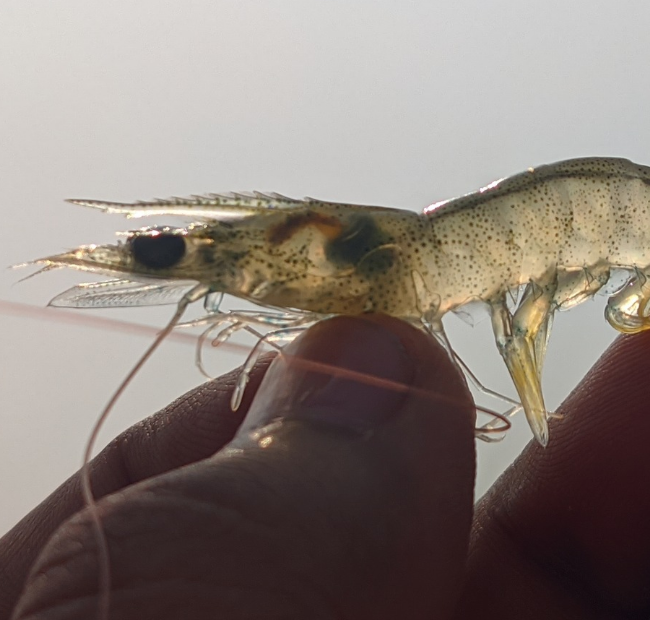
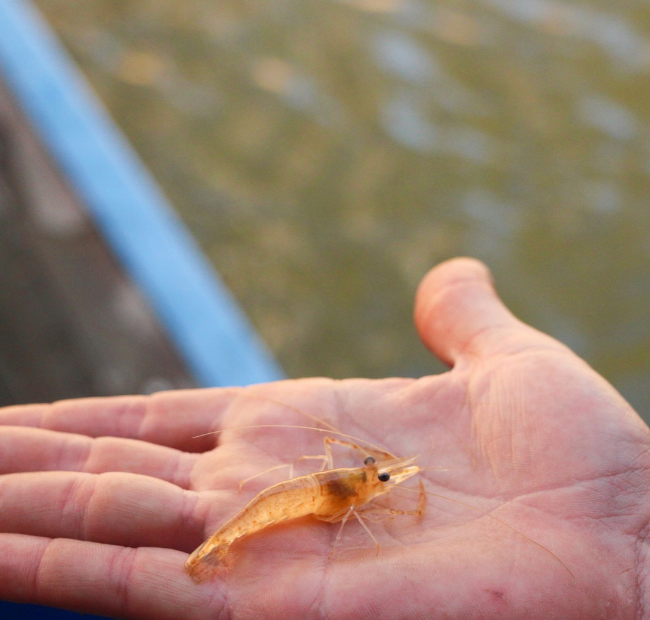
Natural bottom baits remain useful because many of the fish staying close to the beach are searching the sand for food. Shrimp, ghost shrimp, cut mullet and other natural baits can all have a place depending on the species you want to catch.
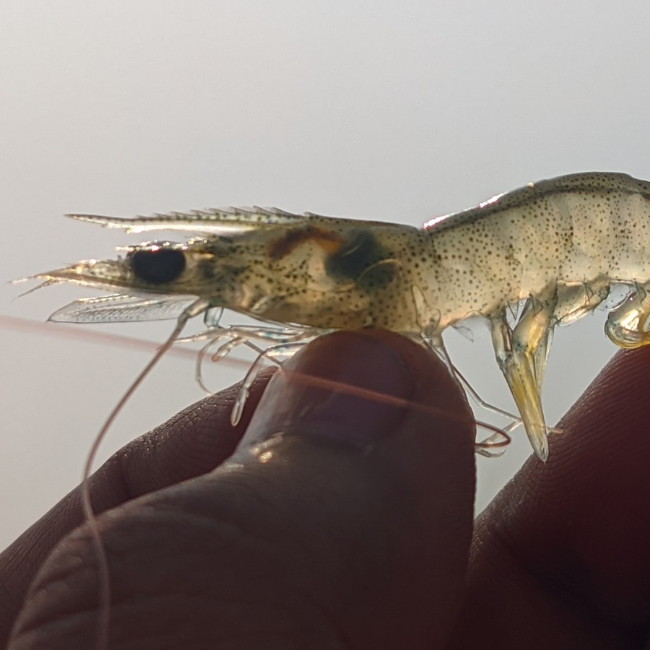
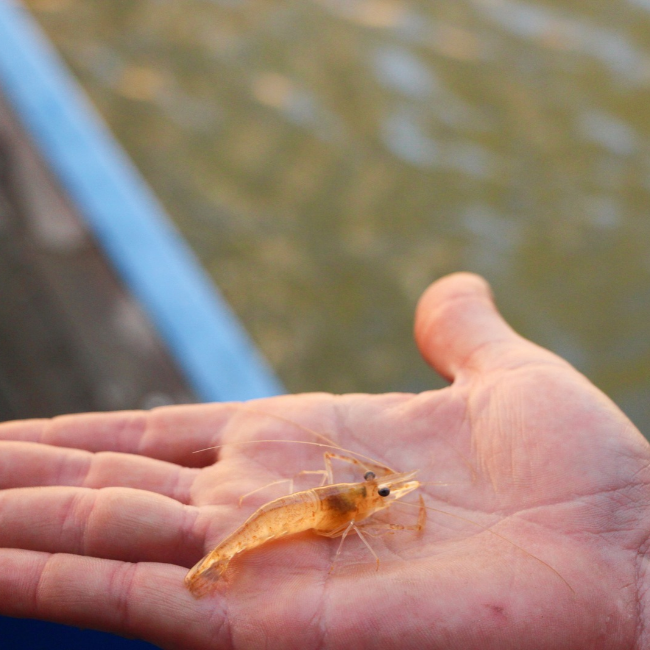
Ghost shrimp can be especially interesting for anglers targeting whiting, drum and other bottom feeders. They live beneath the same wet beach sand where surf fish search for crustaceans, giving anglers a locally natural presentation. Boulineau’s Ace Hardware now carries ghost shrimp pumps for anglers who want to collect this bait where harvesting is permitted.
Fresh cut mullet can be a better choice when targeting larger red drum. Mullet remain an important part of the seasonal food chain, and adult striped mullet continue their offshore spawning migration through November and December. Shrimp can still produce too, but anglers should expect natural shrimp availability to become less dependable as fall progresses.
Should You Cast Farther When The Water Gets Colder?
One of the biggest surf-fishing mistakes is assuming the longest cast always reaches the most fish. Troughs, cuts and changes in bottom depth can hold feeding fish surprisingly close to shore, especially when waves are uncovering small prey from the sand.
Before casting, spend a few minutes watching how the waves break. A deeper trough often appears as a darker stretch of water between the beach and a sandbar, while a break or gap in the bar can create an area where water and bait move through more easily.
If you have multiple rods, experiment with distance instead of placing every bait in the same zone. One rod can fish the closer trough while another reaches farther beyond the break. Let the bites show you where fish are holding rather than assuming one distance is always best.
How Should You Adjust Your Surf Fishing Gear?
Late-fall surf fishing does not necessarily require heavier tackle, but it does reward preparation. A suitable surf rod paired with a saltwater spinning reel gives you enough casting ability to reach several parts of the surf while handling common beach species.
Bring several sinker weights because November and December winds can change quickly. A lighter sinker might hold well during a calm morning but start rolling across the bottom when the current or wind increases. Pyramid-style and other surf sinkers can help hold bait in place when conditions become stronger.
Your tackle bag should also include extra leader material, hooks, swivels, pliers, line cutters and spare rigs. If you are targeting large red drum, the rod, reel, line, leader and hook all need to match the fish rather than simply adding a larger piece of bait to a light setup.
Boulineau’s Ace Hardware carries surf rods, reels, line, rigs, hooks, sinkers and other fishing supplies, making it easier to adjust your setup for both the species and conditions you expect to encounter.
How Do Wind And Waves Affect Late-Fall Surf Fishing?
Fall cold fronts can bring noticeable changes in wind and surf conditions. Strong onshore wind can build waves and make it harder to keep bait in one place, while a calmer day can make lighter tackle easier to use.
Wind direction can also affect water clarity and how comfortable it is to fish from an open beach. A cool day can feel much colder when a steady coastal wind is blowing, so late-fall fishing gear should include appropriate clothing along with tackle.
Rough conditions are not automatically bad fishing conditions, but they might require heavier sinkers, shorter casts or a different section of beach. If waves become unsafe, move or wait for better conditions instead of trying to force a fishing trip into water that is too rough.
Does The Tide Matter More In November And December?
Tide always matters in surf fishing because it changes water depth, current and access to feeding areas. As the tide rises, fish can move into troughs and areas that were too shallow earlier. As water falls, bait and small prey can become concentrated in channels and cuts.
Late fall makes it especially useful to combine tide information with recent weather. A location that fishes well on a rising tide during a mild stretch might behave differently after a strong cold front. Rather than looking for one universal “best tide,” learn how the tide changes the structure at the beach you fish most often.
Ghost shrimp collection can also fit naturally into tide planning. Lower water can expose more wet sand and make burrows easier to find, allowing anglers to collect bait before fishing as water begins moving back across nearshore feeding areas.
How Should You Change Your Approach In December?
December surf fishing often requires more patience than early fall. Some migratory fish have moved south or offshore, natural bait becomes less abundant and colder water can reduce how aggressively fish feed.
That makes location especially important. Instead of spending hours in featureless water, look for troughs, cuts, inlet influence and signs of bait or bird activity. Natural bottom baits can still produce, and slowing down the approach can make sense when fish are less willing to chase.
December also rewards anglers who watch the weather rather than simply picking a date far in advance. A stretch of mild weather can create more favorable conditions than the day immediately following a major cold front. If you have flexibility, use the forecast, tide and recent fishing activity together when deciding when to go.
What Should You Bring For A Late-Fall Surf Fishing Trip?
In addition to your rod, reel and tackle, bring a sand spike, bait container, cooler, towel, pliers and line cutter. Extra rigs and sinkers are especially useful because changing surf conditions can require adjustments during the same trip.
Cold-weather comfort matters too. Waterproof footwear can help when working around wet sand, while layers give you more flexibility when a cool morning turns into a milder afternoon. A wind-resistant outer layer can make a major difference on an exposed beach.
Bring only the gear you will realistically use. Late-fall surf fishing becomes much easier when your setup is organized and you can change a rig, sinker or bait without digging through a pile of equipment every time conditions shift.
Keep Fishing As Fall Turns Toward Winter
Fall surf fishing around Cherry Grove and North Myrtle Beach changes as November moves toward December, but changing conditions do not mean anglers need to put the rods away. Red drum, whiting and other coastal species can continue providing opportunities when water temperature, weather, tide and bait line up.
The biggest difference is the need to adapt. Natural bait becomes less predictable, some fish move away and colder water can concentrate remaining species in different areas. Ghost shrimp, shrimp, cut mullet and other bottom baits can remain useful, while changing sinker weight, casting distance and fishing location can help you respond to what the surf is doing.
Boulineau’s Ace Hardware can help you prepare with surf rods, reels, line, leaders, hooks, sinkers, rigs, ghost shrimp pumps and other fishing gear. Watch the weather, read the beach and stay willing to adjust as late fall gives way to winter fishing on the Grand Strand.
FAQs
1. Is November A Good Month For Surf Fishing In North Myrtle Beach?
Yes. November can still offer good surf fishing around North Myrtle Beach, especially for red drum, whiting and other bottom-feeding species. The fishing becomes more dependent on recent weather, water temperature and bait availability than during the October peak, so anglers should stay flexible with bait, tackle and location.
2. Can You Surf Fish In North Myrtle Beach In December?
Yes. December surf fishing can still produce during favorable conditions, although colder water changes which fish remain close to shore and how actively they feed. Mild weather stretches, good tides and productive beach structure can improve your chances, while natural bottom baits can remain useful for species still feeding in the surf.
3. What Is The Best Bait For Late-Fall Surf Fishing?
Shrimp, ghost shrimp and fresh cut mullet are useful late-fall choices depending on your target species. Smaller shrimp-type baits can appeal to whiting and other bottom feeders, while cut mullet can be a strong choice when targeting larger red drum. Carrying more than one bait gives you room to adjust as November and December conditions change.