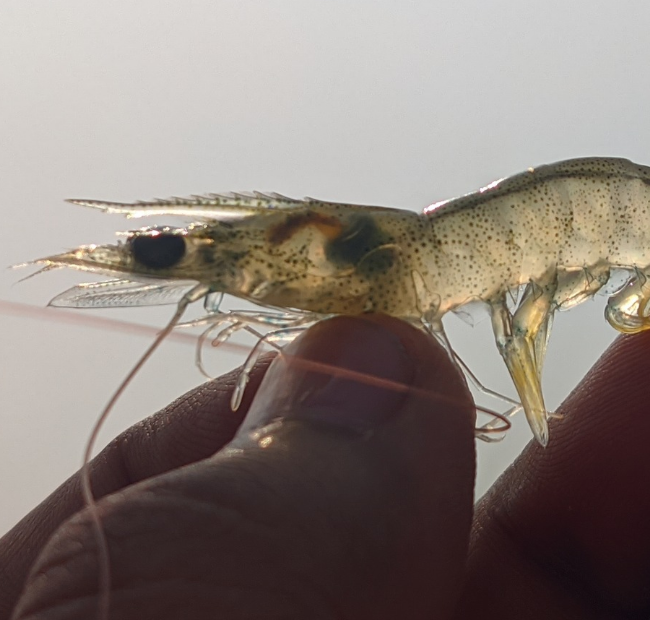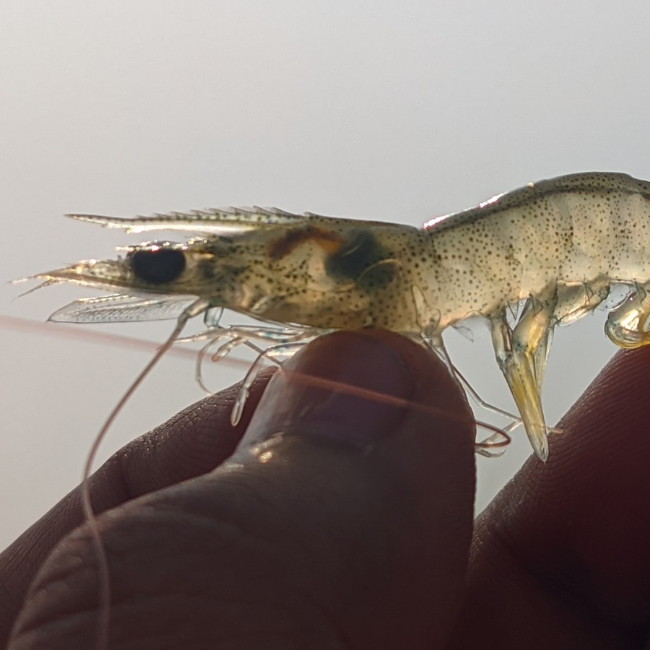
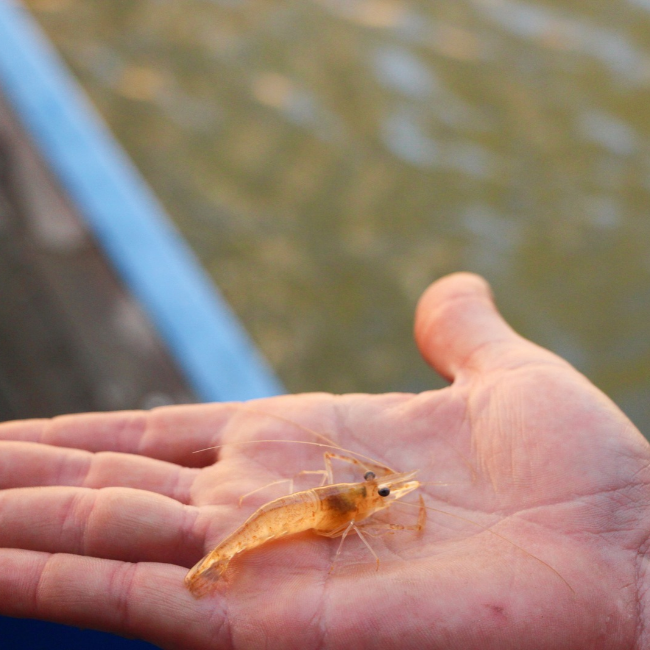
Ghost shrimp can be one of the most interesting natural baits hiding right under your feet along the coast. These pale, soft-bodied crustaceans spend most of their time in deep burrows beneath wet sand, which is why many people walk past them without ever realizing they are there.
For surf anglers, learning how to catch ghost shrimp for fishing bait can add another useful option during November and into December as coastal fishing patterns continue to change. Live shrimp and other familiar baits can become harder to find later in the season, while fish such as whiting, drum and other bottom-feeding species still search the surf for natural food.
Boulineau’s Ace Hardware now carries a ghost shrimp pump, which gives anglers a simple way to collect these burrowing shrimp where harvesting is allowed.
What Are Ghost Shrimp?
Ghost shrimp are burrowing crustaceans that live beneath sandy or muddy coastal areas. They get their name from their pale, almost transparent appearance, but anglers usually notice the burrow before they ever see the shrimp.
Ghost shrimp spend much of their time underground, which helps protect them from predators and changing conditions. Along South Carolina beaches, they are part of the intertidal ecosystem along with mole crabs, surf clams and other small animals that live beneath the sand.
Because ghost shrimp can burrow several feet deep, trying to dig them out by hand is not very practical. A ghost shrimp pump creates suction inside the burrow and gives anglers a much more direct way to collect them.
How Do You Find Ghost Shrimp Burrows?
Look in wet sand where waves wash across the beach or where the tide has recently gone out. Ghost shrimp burrows often appear as small open holes, sometimes with a little mound of loose sand around them.
When shallow water moves across the hole, you might also notice bubbles or a small puff of sediment. The holes can resemble tiny volcanoes in the sand.
Lower tide conditions often make scouting easier because more wet sand is exposed. Calm conditions can help too because heavy surf can quickly reshape the small signs you are trying to spot.
Focus on wet, active-looking holes rather than dry sand higher on the beach, and stay away from dunes and protected vegetation.
How Do You Use A Ghost Shrimp Pump?
Once you find a likely burrow, place the open end of the ghost shrimp pump directly over the hole. Press the tube slightly into the wet sand to create a seal, then pull the handle upward to create suction.
The pump draws sand, water and material from the burrow into the tube. Lift the pump, move it slightly to the side and push the handle back down to release the contents onto the wet sand.
Look carefully through what comes out because ghost shrimp can blend in surprisingly well. If the first pull does not produce a shrimp, try the same hole again before moving on.
The process takes a little practice. The goal is not to dig up a large section of beach. Work individual burrows with controlled pulls and move on when a hole does not produce.
When Is The Best Time To Look For Ghost Shrimp?
A lower tide usually gives anglers the easiest access because it exposes more of the wet sand where burrows become visible. You do not need the lowest tide possible, but you want enough exposed intertidal sand to search comfortably.
For anglers heading out in November or December, checking the tide before leaving home can make the trip much easier. Cooler weather can make a long search less comfortable, so good timing helps you spend more of the trip fishing and less time wandering the beach looking for burrows.
You can also plan the bait collection around the fishing portion of the trip. Collect ghost shrimp while the sand is exposed, then fish as the tide begins moving back across the troughs and nearshore feeding areas.
Why Are Ghost Shrimp Good For Fall Surf Fishing?
Ghost shrimp are natural beach prey, which makes them a logical bait choice for fish that feed close to the bottom. Their scent, soft body and natural appearance can attract fish working through the surf zone for small crustaceans and other food.
Late fall is also a good time to carry more than one bait option. As November moves toward December, familiar bait sources can become less consistent even though fish continue feeding.
Ghost shrimp do not replace every other bait in the cooler, but they give surf anglers another natural option that comes directly from the same beach environment where the fish are feeding.
How Should You Handle Ghost Shrimp?
Handle ghost shrimp gently because their bodies are much softer than many other common baits. Squeezing them too hard can damage them before they ever reach the hook.
Collect only what you expect to use and keep them cool, shaded and damp until you are ready to fish. A small bait container works better than tossing them loose into a large bucket where they can get crushed by other gear or bait.
Because they are delicate, ghost shrimp are best used relatively soon after collection rather than stored for long periods.
How Do You Keep Ghost Shrimp On The Hook?
Their soft bodies can make ghost shrimp tricky to cast. If you hook them too aggressively, they can tear. If you cast too hard, they can come off before the bait reaches the water.
Use a hook that fits the size of the bait and target fish, then thread the shrimp carefully so enough of the body is supported. A smooth cast also helps.
Some anglers use bait elastic or another light bait-holding material when soft natural bait will not stay on the hook. The goal is to support the shrimp without wrapping it so tightly that it no longer looks natural.
Check your bait after missed bites or strong casts because small fish and rough surf can strip soft bait quickly.
What Fishing Gear Should You Bring?
The ghost shrimp pump is the specialized item, but a few other pieces make the trip easier. Bring a small bait container, pliers, line cutters, extra hooks and the surf rig you plan to use after collecting the bait.
For the fishing portion of the trip, add your normal surf gear such as a rod and reel, sand spike, leader material, sinkers and spare rigs. Waterproof footwear can also help during cooler November and December mornings when you will spend time standing in wet sand.
Boulineau’s Ace Hardware carries ghost shrimp pumps along with rods, reels, line, hooks, rigs, sinkers and other fishing supplies, so you can build both the bait-collection and surf-fishing sides of your setup in one place.
Do You Need A Fishing License To Collect Ghost Shrimp?
Check current South Carolina Department of Natural Resources rules before collecting ghost shrimp or any other saltwater bait. South Carolina requires recreational saltwater licenses for many saltwater fishing and harvesting activities, and rules can depend on the organism, method and location.
Local restrictions matter too. A beach, park or protected area can have rules beyond statewide regulations, so do not assume a ghost shrimp pump is allowed everywhere.
Boulineau’s Foods Plus sells South Carolina fishing licenses year-round at the Service Counter, but anglers should still review current SCDNR regulations for the specific activity they plan to do.
How Can You Collect Ghost Shrimp Responsibly?
Take only the amount of bait you expect to use and avoid pumping more holes than necessary. Ghost shrimp are part of the intertidal ecosystem, so responsible collection matters.
Stay in areas where collection is allowed, keep away from dunes and protected vegetation and avoid disturbing wildlife or habitat around you. If signs prohibit collecting, move somewhere else.
Clean up after yourself too. Take fishing line, packaging, bait containers and other trash with you when you leave.
Are Ghost Shrimp Worth Trying In November And December?
Ghost shrimp can be a useful addition to the bait plan as fall moves toward winter, especially for surf anglers who want another natural bottom bait.
November can still offer strong fishing opportunities along the Carolina coast, while December brings cooler conditions and changing fish patterns. Ghost shrimp can remain useful when beach, tide and weather conditions cooperate.
They also fit a slower style of surf fishing well. Instead of chasing fast-moving bait schools, anglers can use them on a bottom rig and target fish feeding along the sand and in nearshore troughs.
Learning to identify the burrows also helps anglers understand more about what is happening beneath the sand, which can make a late-fall fishing trip more interesting even before the first cast.
Add Ghost Shrimp To Your Late-Fall Fishing Toolkit
Learning how to catch ghost shrimp for fishing bait gives Grand Strand surf anglers another way to match what fish naturally find along the beach. The process starts with spotting active burrows in wet sand, then using a ghost shrimp pump to draw the bait from below the surface.
November is a natural time to experiment with different bait options as fall fishing patterns continue to shift, and ghost shrimp can remain part of the plan into December when conditions are right.
Boulineau’s Ace Hardware carries ghost shrimp pumps along with surf rods, reels, rigs, hooks, sinkers and other fishing gear. Stop by before your next trip and let the team help you get ready for late-fall fishing around Cherry Grove, North Myrtle Beach and the Grand Strand.
FAQs
1. What Does A Ghost Shrimp Hole Look Like?
A ghost shrimp burrow usually looks like a small open hole in wet sand, sometimes surrounded by a tiny mound of loose sediment. Water moving across an active burrow can also create bubbles or small puffs of sand.
2. What Is The Easiest Way To Catch Ghost Shrimp For Bait?
A ghost shrimp pump gives anglers the most direct way to collect them because the shrimp live deep inside burrows. Place the pump over an active-looking hole, create a seal, pull the handle to create suction, then release the sand and water beside the hole and check for the shrimp.
3. Can You Catch Ghost Shrimp In November And December?
Yes. Ghost shrimp live in intertidal beach habitat rather than appearing only during a short fall run, so anglers can look for active burrows during November and into December when tide, beach and weather conditions allow. Always check current collection rules and local restrictions before using a ghost shrimp pump.