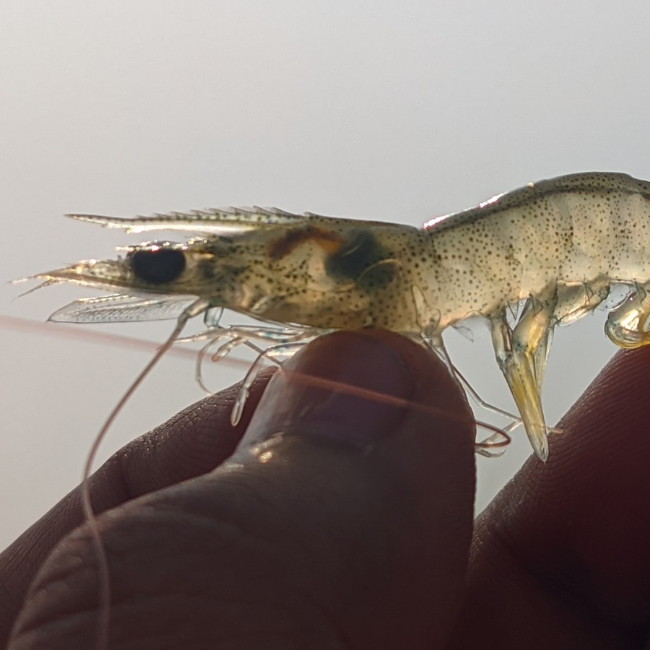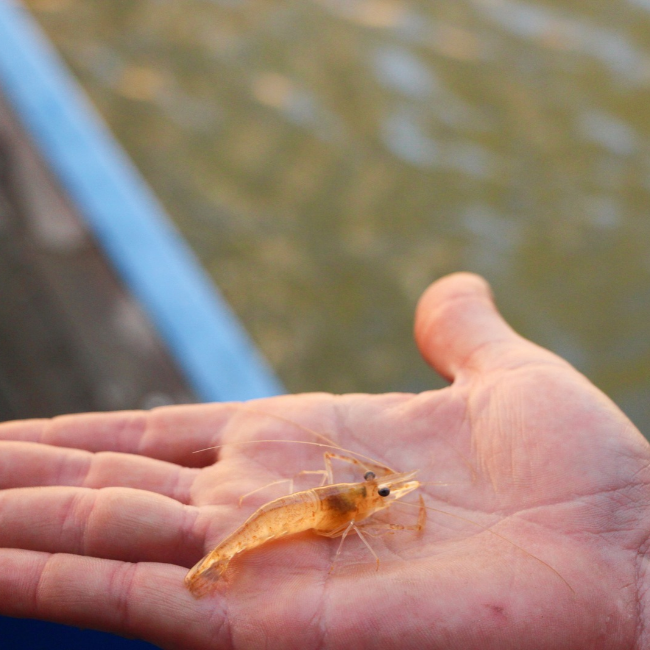
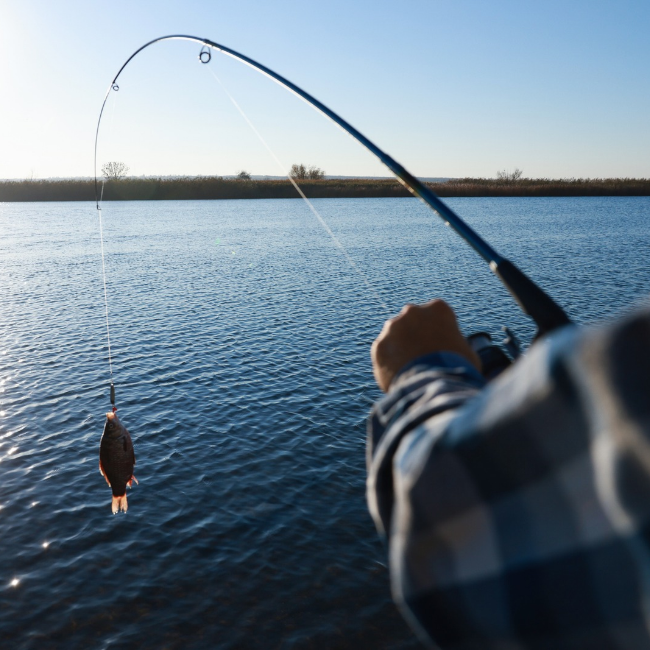
Fall can be one of the most exciting times to fish around Cherry Grove, North Myrtle Beach and the northern Grand Strand. As the season changes, baitfish begin moving, water temperatures gradually fall and many popular saltwater species feed heavily before colder weather settles in. That can create excellent opportunities from the surf, piers, inlets, creeks and other inshore waters.
Fall fishing in North Myrtle Beach can bring strong action for red drum, spotted seatrout, flounder, black drum, whiting and other coastal species. October is often an especially productive month because shrimp and mullet remain available while fish are feeding aggressively. As fall moves toward winter, anglers can adjust their bait, tackle and fishing locations to follow those changing conditions.
Boulineau’s Ace Hardware in Cherry Grove carries fishing rods, reels, line, hooks, rigs, lures, bait supplies, cast nets and other gear for local anglers. Whether you’re planning a morning in the surf or heading toward the marsh, understanding what changes during fall can help you choose the right setup before you hit the water.
Why Is Fall Fishing So Good Around North Myrtle Beach?
Fall brings several changes together at once. Bait is moving through coastal waters, temperatures are becoming more comfortable and many predator fish are feeding heavily while shrimp, mullet and other food sources remain available. SCDNR’s North Grand Strand fishing guidance describes October as one of the strongest fishing months on the northern end of the coast, with trout, redfish, flounder and black drum all feeding actively.
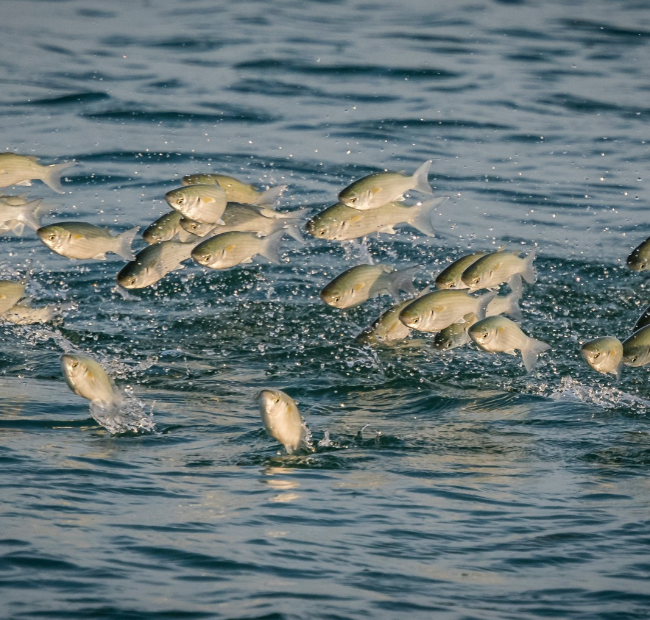
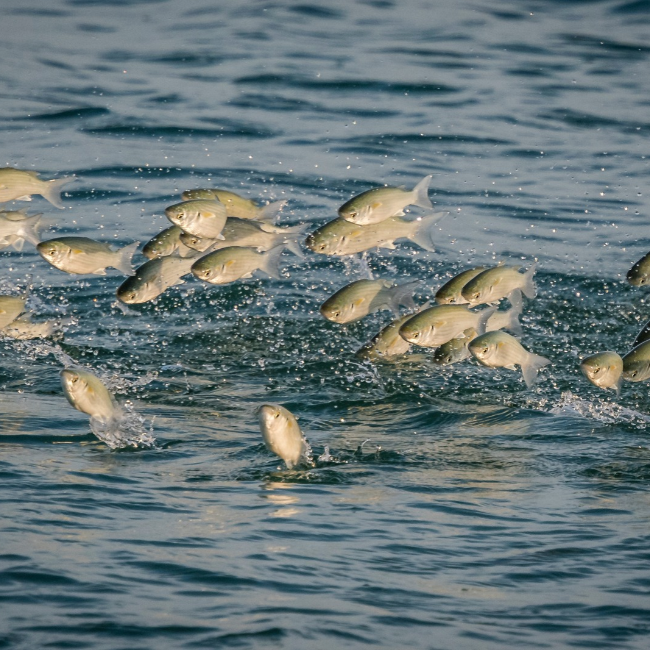
The fall mullet movement adds another layer of activity. Adult striped mullet begin moving from estuaries and rivers toward offshore spawning areas during fall and winter, while younger mullet also shift toward deeper water as temperatures change. Those moving schools can attract larger predator fish looking for an easy meal.
Conditions don’t stay exactly the same throughout fall, so anglers should pay attention to what they see on the water. October fishing can feel very different from late November fishing. Bait availability, water temperature, wind, tides and the movement of individual species can all change where fish are feeding and what they’re willing to eat.
What Fish Can You Catch In The Fall Around Cherry Grove?
Red drum are one of the biggest fall attractions along the Grand Strand. Smaller and slot-sized reds can remain around marsh edges, tidal creeks, oyster structure and other inshore areas, while larger bull red drum can move through inlets and along the beaches. Red drum feed on shrimp, crabs and small fish during summer and fall, making the seasonal abundance of bait especially important.
Spotted seatrout are another important fall target. Trout use inshore habitats such as salt marsh edges, creek mouths, channels and oyster areas. As conditions cool, anglers often focus on moving water and areas where bait naturally passes through. Live shrimp can be especially productive, while artificial shrimp and soft plastics can become useful alternatives as live bait becomes harder to find later in the season.
Flounder can also provide good opportunities during early and mid-fall. Southern flounder use estuaries, tidal creek mouths, rivers and shallow coastal waters before older fish begin moving offshore as fall temperatures decline. Finger mullet and other small baitfish can be effective around creek mouths, depressions and areas where flounder can wait for prey to pass.
Black drum, whiting and croaker can add even more variety, especially around piers, jetties, sandy bottoms and structure. Depending on conditions, anglers might also encounter Spanish mackerel or other migrating species earlier in fall before those fish move south as water temperatures drop. Spanish mackerel can remain in South Carolina waters into November before migrating toward warmer wintering areas.
What Are The Best Baits For Fall Fishing In North Myrtle Beach?
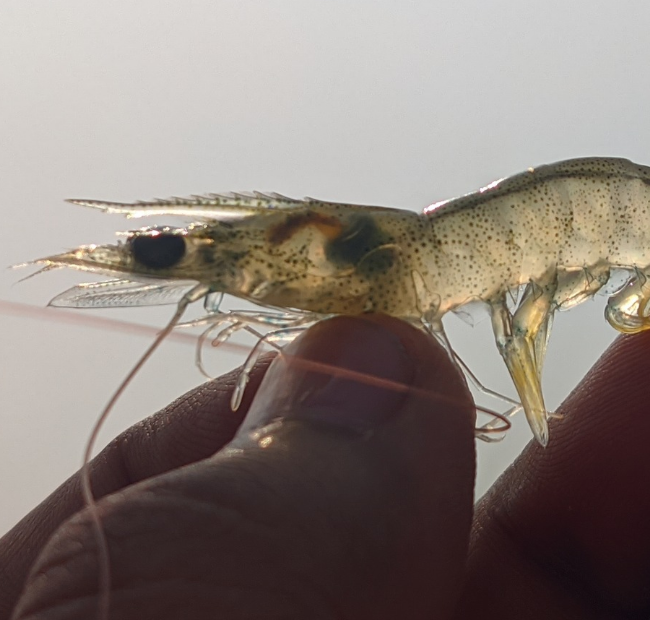
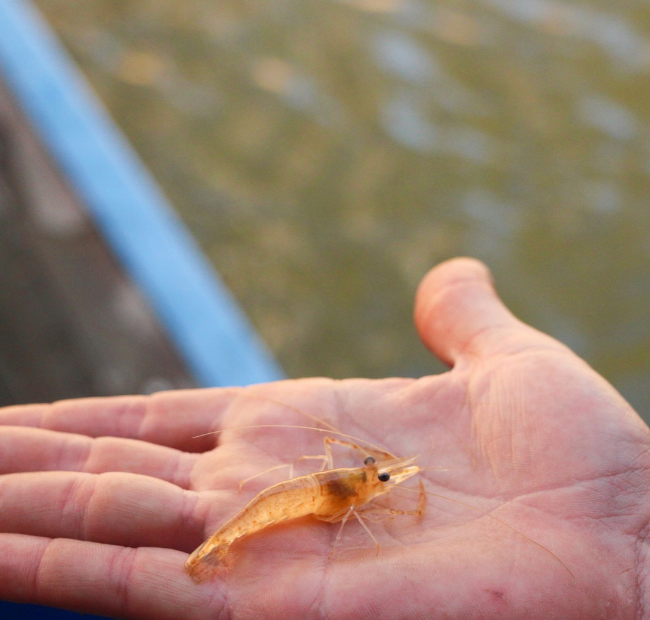
Shrimp and mullet are two of the most important fall bait choices because both are natural food sources for many local species. Live shrimp can work for trout, red drum and black drum, while finger mullet can appeal to red drum, flounder and larger trout. Cut mullet can also be useful when targeting larger fish from the surf or around inlets.
Ghost shrimp can give surf anglers another natural option. These burrowing shrimp live beneath sandy areas and can be collected with a ghost shrimp pump where harvesting is allowed. Because they’re soft and delicate, anglers need to handle them carefully and rig them in a way that helps keep them on the hook. We’ll cover ghost shrimp collection and target species in more detail elsewhere in this fall fishing series.
Mud minnows can remain useful when targeting flounder and other inshore predators, while artificial shrimp, soft plastics, spoons and other lures give anglers options when live bait isn’t available or when they want to cover more water. No single bait works best every day, so it helps to carry more than one option and adjust based on what fish are feeding on.
Boulineau’s Ace Hardware can help anglers compare hooks, rigs, line, artificial lures and other tackle based on where they plan to fish and what they hope to catch.
What Is The Fall Mullet Run?
The fall mullet run happens as mullet begin leaving shallow estuaries, creeks and rivers and moving toward coastal and offshore waters. Adult striped mullet migrate toward offshore spawning grounds during fall and winter, with spawning activity occurring from October into winter.
For anglers, all that moving bait can create an opportunity because predator fish often follow or intercept schools of mullet. Red drum, Spanish mackerel and other predators can take advantage of concentrated bait along beaches, around inlets and near other areas where currents bring fish together.
Look for signs of bait activity such as birds working over the water, baitfish breaking the surface or visible schools moving along the shoreline. If predators are nearby, matching the size and general appearance of the bait can help. Finger mullet, cut mullet and artificial lures that imitate small baitfish can all have a place in a fall tackle box.
How Does Fall Surf Fishing Change?
Fall surf fishing can become more active as bait moves along the beach and several species pass through nearshore water. Red drum, whiting, croaker and other bottom-feeding fish can provide action, while Spanish mackerel and other faster-moving species might still appear earlier in the season.
Surf anglers often need to adjust sinker weight based on waves and current rather than simply using the same rig every trip. Calm conditions might allow a lighter setup, while stronger current or rougher surf can require more weight to keep bait where you want it. Pyramid-style sinkers and other surf weights can help hold bottom when conditions get stronger.
A medium-heavy or heavier surf rod can give anglers the casting distance and power needed for many beach situations, while a saltwater spinning reel matched to the rod keeps the setup manageable. Line, leader strength and hook size should match the fish you’re targeting rather than simply going as heavy as possible.
Fall can also bring changing wind and cooler mornings, so a good surf setup includes more than fishing tackle. Pliers, a line cutter, sand spike, bait container, cooler, towel and weather-ready clothing can make a longer session much easier.
Where Should You Fish During The Fall?
The surf is only one option. Cherry Grove and North Myrtle Beach give anglers access to several kinds of saltwater environments, and each can fish differently during fall.
Tidal creeks and marsh edges can hold red drum and trout, particularly where current pushes bait past structure. Creek mouths, deeper bends and areas with oyster structure can also concentrate fish. Moving water often matters because it carries shrimp, mullet and other prey through predictable feeding zones.
Inlets and nearby beaches can become important when larger fish follow seasonal bait movement. Bull red drum can show up around inlet areas and off the beaches during fall, while piers can give anglers access to multiple species without needing a boat. SCDNR’s October North Grand Strand report notes strong fall expectations for red drum, flounder, black drum, whiting and croaker around the Cherry Grove Pier area.
The best location can change with tide, weather and bait movement. Instead of assuming one fishing spot will always produce, watch what the water is doing and look for signs of bait and feeding activity.
What Fishing Gear Do You Need For Fall Fishing?
Your gear should match where you’re fishing and what you’re targeting. A surf setup might include a longer rod, saltwater spinning reel, sturdy line, leader material, circle hooks, swivels, surf sinkers and sand spikes. An inshore setup can often use a lighter spinning combination that makes it easier to cast artificial lures or present live bait around creek mouths, oyster structure and marsh edges.
Keep extra leader material, hooks, sinkers and swivels in your tackle box because fall fishing conditions can change quickly. A heavier sinker might become necessary if the current picks up, while a different hook or leader might make more sense when you switch from smaller fish to larger red drum.
Pliers, fish grips, line cutters and a measuring tool belong in the bag too. A cast net can help anglers collect certain live bait where regulations allow, while a bait bucket and aerator can help keep bait in better condition.
Boulineau’s Ace Hardware carries fishing gear for surf, pier and inshore anglers, and the team can help you compare rods, reels, line, rigs and other tackle based on the kind of fishing you plan to do.
Do You Need Different Gear For Bull Red Drum?
Large bull reds require more preparation than smaller inshore fish. Bigger fish put more pressure on rods, reels, knots, leaders and hooks, so anglers targeting them should use gear designed to handle that load.
These larger fish can appear near inlets and off the beaches during fall, especially as bait moves through the area. Heavier surf or nearshore setups, stronger leaders and appropriately sized circle hooks can help anglers prepare for larger fish. Fresh cut bait or live bait can also play a role depending on conditions.
Because large red drum are valuable breeding fish, careful handling matters. Keep fish in the water as much as possible, have your tools ready before landing the fish and avoid unnecessary handling. Anglers should always check current South Carolina regulations before keeping any fish because size limits, possession limits and other rules can change.
How Does Cooler Water Affect Fall Fishing?
Cooling water gradually changes where some fish spend their time. Southern flounder, for example, begin moving offshore as fall temperatures decline, while Spanish mackerel migrate south as colder conditions arrive. Red drum remain in South Carolina waters year-round, but their distribution also changes with temperature.
That means early fall and late fall shouldn’t always be approached the same way. A location that produces well in early October might slow later as bait becomes less available or fish shift toward deeper water. Trout can remain productive as temperatures cool, but bait choices and presentation might change as live shrimp becomes less plentiful.
Fall fishing rewards anglers who pay attention. Watch water temperature trends, bait activity, tide movement and recent catches instead of relying only on what worked several weeks ago.
What Tide Is Best For Fall Fishing?
There isn’t one perfect tide for every species or location, but moving water often creates better feeding opportunities because current carries bait through creeks, channels, oyster areas and other structure. Trout commonly feed where current brings shrimp and small baitfish past them, while red drum can work marsh edges and creek areas as water rises or falls.
The right tide also depends on where you’re standing. A creek mouth might become more productive as water drains from the marsh, while another location could fish better as rising water gives fish access to shallow feeding areas.
Instead of focusing only on high tide or low tide, pay attention to the movement between them. Learning how your favorite spot changes with the tide can be more useful than following a single rule for the entire Grand Strand.
How Should Beginners Approach Fall Fishing?
Beginners don’t need a complicated setup to enjoy fall fishing. Start by choosing one location and one or two target species, then build your gear around that plan. Trying to prepare for every fish in the ocean usually leads to an overloaded tackle box and more confusion than confidence.
For surf fishing, a simple spinning setup with a bottom rig, appropriate sinker and natural bait can be a good place to start. For inshore fishing, a spinning rod with live shrimp, a popping cork or a basic artificial lure can keep things manageable. Ask questions, learn how tides affect the location and pay attention to what experienced anglers around you are seeing.
The Fishing Department at Boulineau’s Ace Hardware can help beginners understand basic rod and reel choices, rigs, bait options and tackle without making the process more complicated than it needs to be.
How Can You Protect Fishing Gear During Fall?
Saltwater fishing can be hard on equipment no matter the season. After fishing, lightly rinse rods, reels and other salt-exposed gear with fresh water, then allow everything to dry before storing it. Avoid blasting reels with high-pressure water because that can push salt and debris deeper into places you don’t want it.
Check line for fraying or damage, especially after fishing around shells, rocks or other structure. Hooks and swivels can also show corrosion after saltwater use, so replace anything that looks weak.
Fall is also a good time to check whether your reel needs fresh line. Boulineau’s Ace Hardware can help with fishing line and reel setup, including re-lining reels when needed.
Do You Need A South Carolina Fishing License?
Many saltwater anglers need a South Carolina recreational saltwater fishing license, but requirements can depend on age, residency, location and the type of fishing. Regulations can also change, so anglers should check current South Carolina Department of Natural Resources rules before fishing.
Boulineau’s Foods Plus offers South Carolina fishing licenses year-round at the Service Counter, making it easy to take care of licensing while picking up food, drinks, ice and other supplies for the day.
Anglers should also check current size limits, possession limits, seasons and species-specific rules before keeping a fish. Knowing the rules before you leave home makes the fishing trip easier and helps protect the fisheries everyone enjoys.
Get Ready For Fall Fishing In North Myrtle Beach
Fall fishing in North Myrtle Beach brings together moving bait, active fish and some of the most enjoyable weather of the year. From red drum and trout in the creeks to flounder, whiting and larger fish around the surf and inlets, October and the weeks that follow can give anglers plenty of reasons to keep fishing.
The biggest key is staying flexible. Follow the bait, watch the tide, adjust your tackle to the conditions and don’t assume last month’s setup will always be the best choice today. Shrimp, mullet, ghost shrimp, mud minnows and artificial lures can all have a place depending on the fish and location.
Before your next trip, stop by Boulineau’s Ace Hardware in Cherry Grove for rods, reels, line, rigs, bait supplies and other fishing gear. You can also pick up your South Carolina fishing license at the Boulineau’s Foods Plus Service Counter, then head toward the water ready for one of the Grand Strand’s best fishing seasons.
FAQs
1. What Fish Are Best To Target In North Myrtle Beach During The Fall?
Red drum, spotted seatrout, flounder, black drum, whiting and croaker can all provide fall fishing opportunities around the North Grand Strand. The exact mix changes as water temperatures fall and bait moves, so anglers should pay attention to recent conditions and adjust their target species as the season progresses.
2. What Is The Best Bait For Fall Fishing In North Myrtle Beach?
Live shrimp and mullet are two of the most versatile fall choices because many local predator species naturally feed on them. Ghost shrimp, mud minnows, cut bait and artificial shrimp or baitfish lures can also work well depending on whether you’re fishing the surf, a pier, an inlet or inshore water.
3. Are October And November Good Months For Fishing In Cherry Grove?
Yes. October and November can both offer strong fishing around Cherry Grove and the North Grand Strand, although the species mix and bait activity can change as the water cools. October often brings active red drum, trout, flounder, black drum, whiting and migrating baitfish, while November can continue to produce red drum, trout and other cooler-water opportunities as fish adjust to changing temperatures. Anglers should watch recent conditions, tides and bait movement and be ready to change locations or presentations as fall progresses.