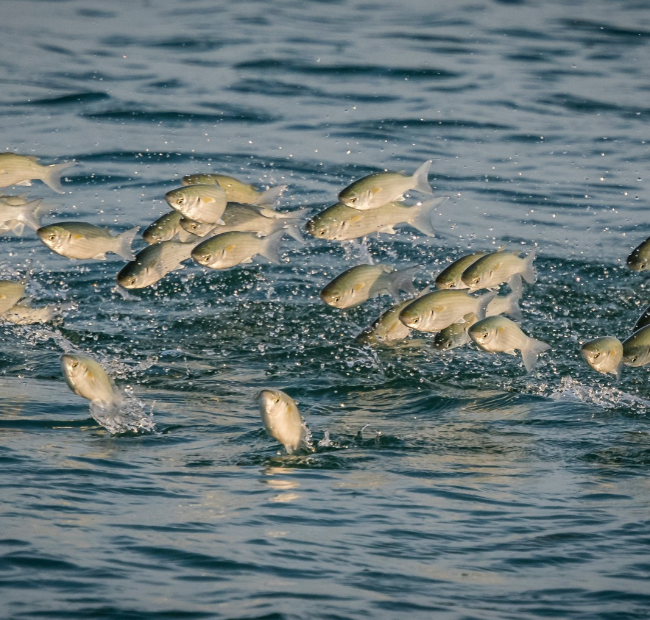
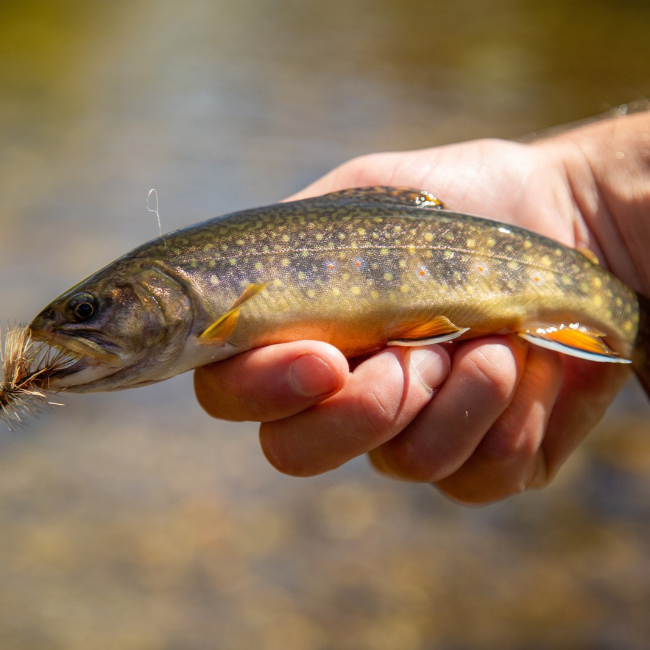
Spotted seatrout, often called speckled trout, can be one of the most exciting fish to target as fall moves toward winter along the Grand Strand. These fish live in South Carolina estuaries year-round, but their locations and feeding habits change as the water cools. That makes November an especially useful time to adjust where you fish, what bait you use and how quickly you work your lure.
For anglers around Cherry Grove and North Myrtle Beach, fall speckled trout fishing often means looking for moving water, creek mouths, oyster structure and deeper sections of inshore waterways where bait naturally gathers. Live shrimp can still be productive during November, while artificial shrimp, soft plastics and baitfish-style lures become increasingly useful as natural bait becomes harder to find. December can continue to produce trout too, especially when anglers slow down and focus on deeper, more protected water.
Boulineau’s Ace Hardware carries rods, reels, line, jig heads, soft plastics, hooks and other tackle that can help anglers prepare for late-fall and early-winter trout fishing around the Grand Strand.
Where Do Speckled Trout Go As The Water Cools?
Speckled trout spend much of their lives in creeks, rivers, bays and other estuary waters. During warmer weather, they often feed along shallow marsh edges, grass lines and creek mouths. As temperatures drop during late fall, trout begin shifting toward larger creeks, deeper channels and other areas where water temperatures remain more stable.
That transition becomes increasingly important from November into December. A shallow grass edge that produced fish during warmer weather might become much quieter after several cold nights. Deeper creek bends, channels, holes, bridge areas and places where deeper water sits close to feeding areas can become more important as winter approaches.
This does not mean every trout immediately moves into deep water. Warm afternoons, tides and changing weather can still bring fish into shallower areas to feed. The key is staying flexible and paying attention to where bait and moving water come together.
What Is The Best Bait For Speckled Trout In November?
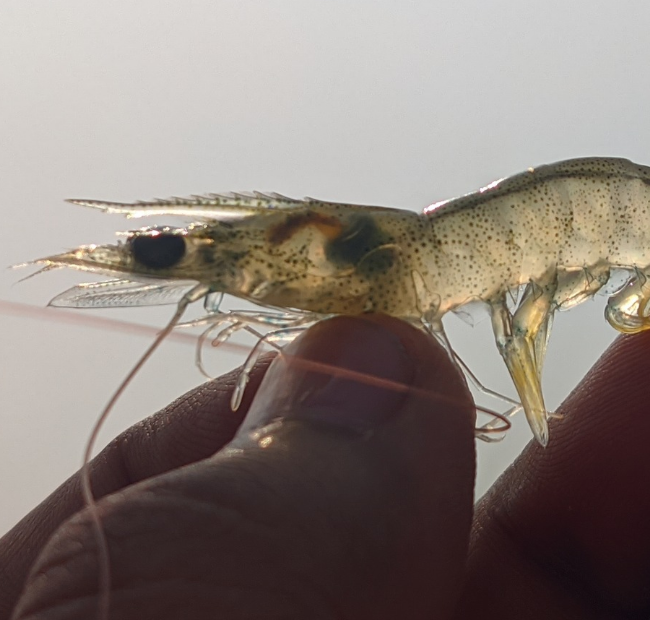
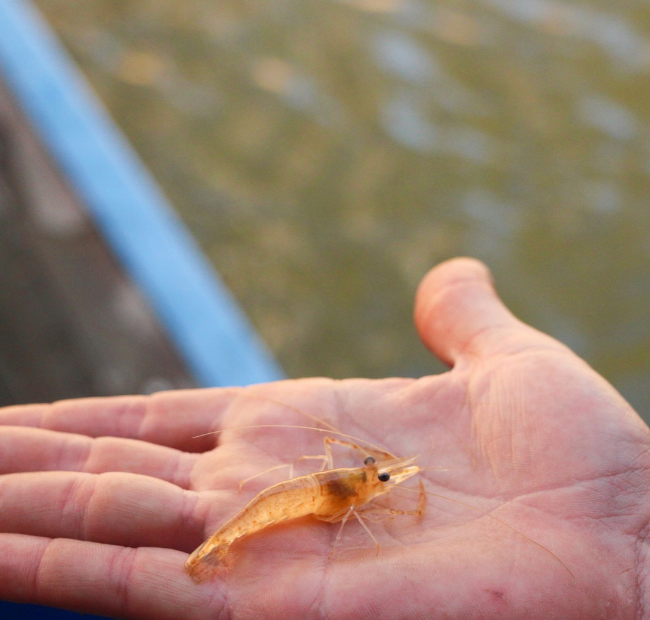
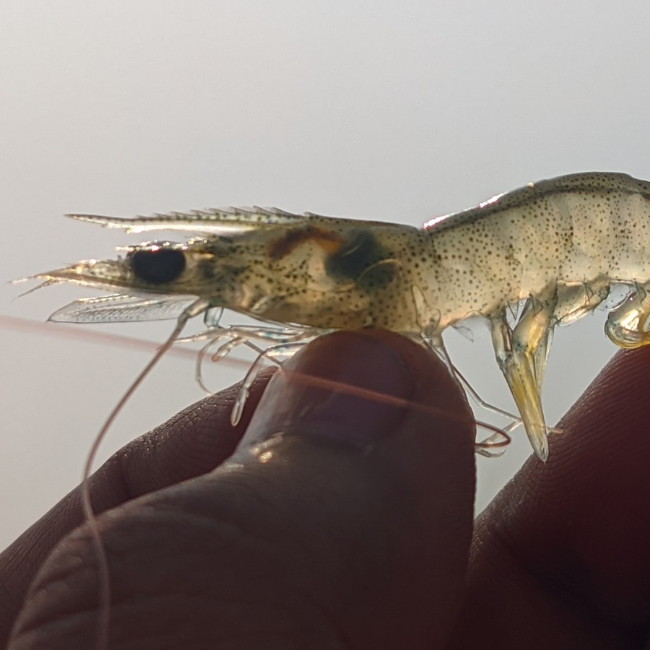
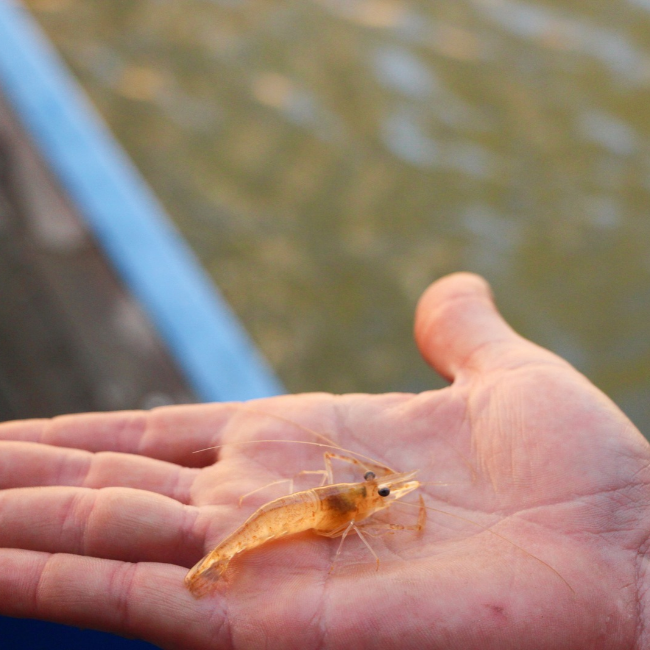
Live shrimp remains one of the strongest natural baits for speckled trout during fall. Trout naturally feed on shrimp, small fish and other prey around creek mouths and marsh edges, and a live shrimp moving naturally with the current can be difficult for them to ignore.
A popping cork can help keep live shrimp at a controlled depth while creating sound and movement that draws attention. This setup can work especially well around grass lines, creek mouths and areas with moving water. The depth between the cork and bait should match the area you are fishing rather than staying the same everywhere.
Finger mullet and mud minnows can also catch trout, particularly larger fish that increasingly feed on small fish as they grow. These baits give anglers another option when live shrimp becomes less available later in November and into December.
When Should You Use Artificial Lures For Speckled Trout?
Artificial lures become increasingly useful as fall progresses because they allow anglers to cover more water without depending on live bait. Soft-plastic shrimp, paddletails and other small baitfish-style lures can imitate the food trout already recognize.
A jig head paired with a soft plastic can be worked at different depths depending on current, water temperature and where fish are holding. During milder fall conditions, a steady retrieve might work well. As December approaches and colder water slows fish down, a slower presentation closer to the bottom can become more productive.
Color choice can depend on water clarity. Cooler fall weather often brings clearer water, which can make natural-looking colors useful. In darker or stained water, anglers might choose something with more contrast. Instead of carrying every color on the wall, start with a few versatile options and adjust based on what the fish respond to.
What Fishing Gear Is Best For Fall Speckled Trout?
A medium-light or medium spinning rod paired with a saltwater spinning reel works well for many speckled trout situations. This type of setup gives anglers enough sensitivity to feel lighter bites while still providing the strength needed to handle larger trout or an unexpected red drum.
Line choice depends on personal preference and fishing conditions. Braided line offers strong sensitivity and a smaller diameter, while monofilament provides more stretch. Many anglers using braid add a leader between the main line and lure or bait, especially in clearer water.
Your tackle box does not need to be complicated. A few jig heads in different weights, soft plastics, artificial shrimp, popping corks, hooks, swivels and leader material can cover many fall situations. Boulineau’s Ace Hardware can help anglers compare tackle based on whether they plan to fish live bait, artificial lures or a mix of both.
How Important Is Moving Water For Speckled Trout?
Moving water can be one of the most important clues when looking for trout. Current carries shrimp, small baitfish and other prey through creek mouths, around points and past oyster structure, giving trout places to wait for food instead of chasing it across a large area.
A falling tide can pull bait out of shallow marshes and creeks, while a rising tide can move food back toward grass edges and flooded areas. Rather than thinking only about high tide or low tide, pay attention to the periods when water is actively moving.
Creek mouths can be especially useful because they create natural funnels. Current pushes bait through a smaller area, and trout can position themselves where they can feed without spending much energy. Points, bends and changes in water depth can create similar opportunities.
How Do You Catch Speckled Trout As November Turns To December?
November can still bring active trout that are willing to chase live shrimp, finger mullet and artificial lures. As the month progresses, colder nights gradually push fish toward deeper areas and make water temperature more important.
By December, slowing down often becomes one of the biggest adjustments an angler can make. Trout are cold-blooded, so cooler water affects how active they are. A fast-moving lure that worked earlier in fall might pass by fish that are no longer willing to chase it very far.
Try working soft plastics more slowly and keeping them closer to the depth where fish are holding. Pausing during the retrieve can also give trout more time to strike. If a shallow location stops producing, look for nearby deeper water instead of immediately leaving the entire area.
Weather patterns matter too. A series of mild days can create very different fishing from the morning after a strong cold front. Watch recent conditions rather than relying only on the calendar.
Where Should You Look For Bigger Speckled Trout?
Larger trout eat more fish than smaller trout, so areas holding mullet, mud minnows and other baitfish can be especially interesting. Creek mouths, deeper channel edges, oyster structure and points that allow trout to ambush passing bait are good places to investigate.
Using a slightly larger finger mullet or baitfish-style lure can sometimes help target larger fish while reducing bites from smaller trout. That does not mean bigger bait automatically catches bigger trout, but matching the size of the prey larger fish are feeding on can help.
Fall is also a good time to pay attention to schools. Trout often gather with fish of similar size, so catching one trout can be a reason to work the area carefully rather than immediately moving somewhere else.
What Should You Know About Cold Weather And Speckled Trout?
Speckled trout are more sensitive to severe cold than some other popular South Carolina inshore species. Sudden periods of very cold weather can stress trout, while extended cold conditions can cause winter kills. That makes water temperature increasingly important as fall turns to winter.
For anglers, the practical lesson is to adjust with the conditions. During colder periods, look for deeper water that offers more stable temperatures and fish lures slowly. Mild stretches can create opportunities for more active feeding, particularly when tides and bait movement line up.
Always check current South Carolina fishing regulations before keeping trout. Boulineau’s Foods Plus sells South Carolina fishing licenses year-round at the Service Counter, making it easy to handle licensing before heading out.
Keep Adjusting As Fall Turns To Winter
Learning how to catch speckled trout in the fall comes down to following the changes happening in the water. November can still bring active fish around creek mouths, marsh edges and moving water, while December often pushes trout toward deeper and more protected areas.
Live shrimp remains a strong option while available, but finger mullet, mud minnows, artificial shrimp and soft plastics give anglers more ways to adapt as the season progresses. Changing retrieve speed, depth and location can matter just as much as changing bait.
Boulineau’s Ace Hardware can help you prepare with rods, reels, line, jig heads, soft plastics, popping corks and other trout fishing tackle. Pay attention to tides, temperature and bait activity, then let the conditions tell you whether to stay shallow, move deeper or slow down your presentation.
FAQs
1. What Is The Best Bait For Speckled Trout In November?
Live shrimp is one of the most dependable natural baits for speckled trout during November, especially when fished around moving water with a popping cork. Finger mullet and mud minnows can also work, particularly for larger trout, while artificial shrimp and soft plastics become increasingly useful as live bait becomes harder to find.
2. Can You Catch Speckled Trout In December Around North Myrtle Beach?
Yes. Speckled trout live in South Carolina estuaries year-round, but they tend to move toward deeper creeks, channels and other protected areas as temperatures fall. December anglers often do better by fishing deeper water, slowing their presentation and paying close attention to recent weather and water temperature.
3. What Lures Work Best For Fall Speckled Trout?
Soft-plastic shrimp, paddletails and other small baitfish-style lures can all work well during fall. Jig heads let anglers adjust presentation depth, while natural-looking colors can be useful when cooler weather brings clearer water. As the water gets colder, slowing the retrieve and keeping the lure closer to the fish can become more important than constantly changing colors.