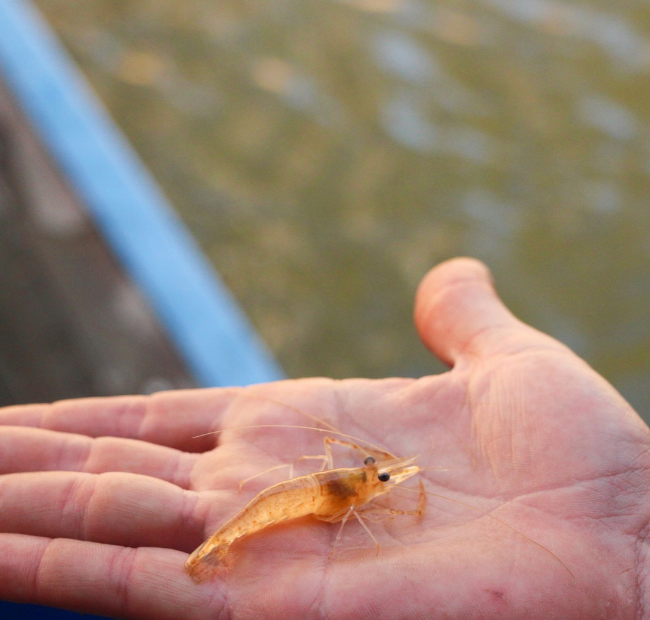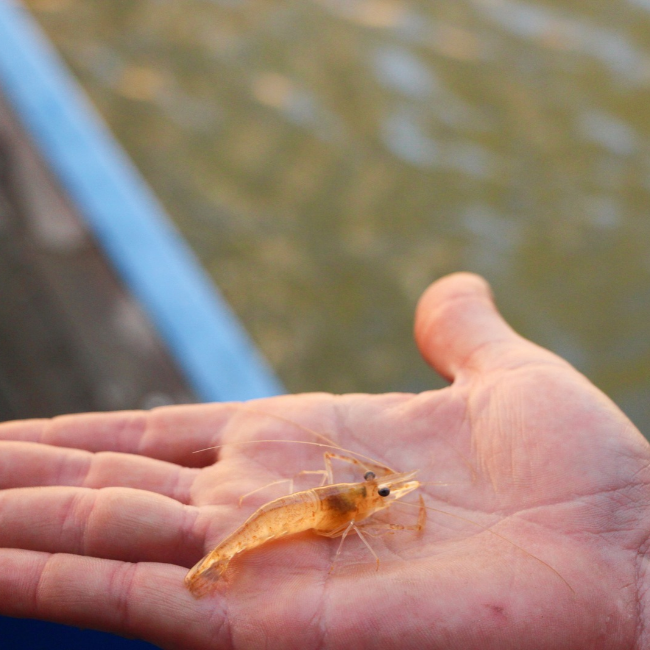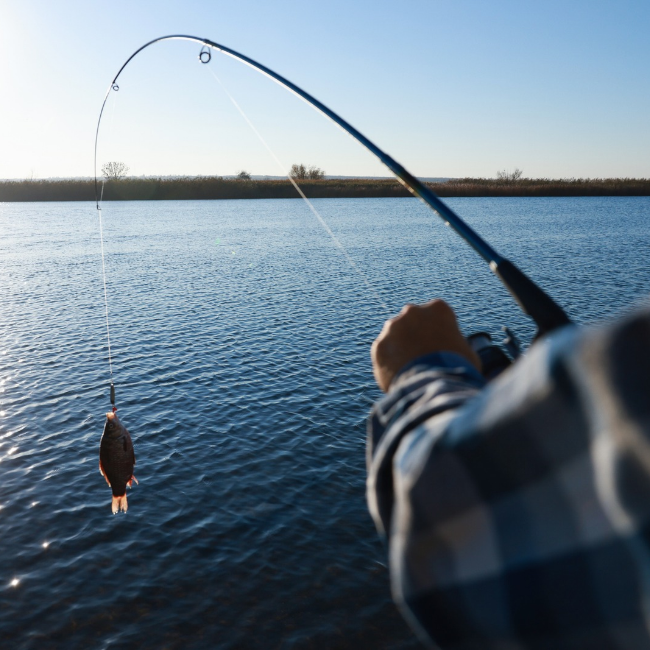
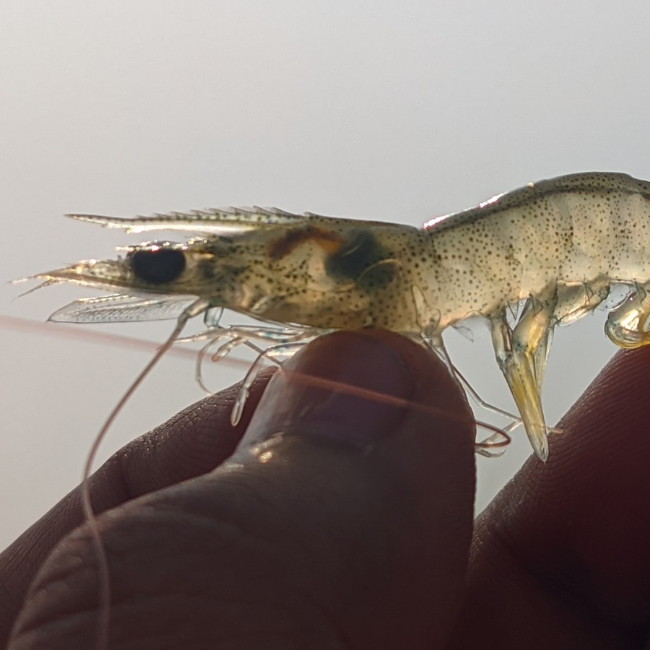
Ghost shrimp might not look like much when they come out of the sand, but they can be useful natural bait for fish that spend their time searching the bottom for crustaceans and other small prey. That makes them especially interesting to surf anglers fishing around Cherry Grove, North Myrtle Beach and other parts of the Grand Strand.
Whiting, red drum, black drum and other bottom-feeding coastal fish can all be potential targets when fishing with ghost shrimp. The best results depend on where you fish, how you rig the bait and which species are feeding in the surf at the time. November can still offer good opportunities along the Carolina coast, while December brings cooler water and changing fish patterns that make it even more important to match your bait and tackle to the conditions.
Ghost shrimp are also worth understanding because they live right in the beach environment where surf fish feed. Instead of bringing in a bait that looks unfamiliar, you are presenting something that naturally occurs beneath the same wet sand and shallow water the fish are already searching.
Why Do Fish Eat Ghost Shrimp?
Ghost shrimp are soft-bodied crustaceans that live in burrows beneath wet coastal sand. Fish that feed along the bottom naturally look for shrimp, worms, small crabs and other creatures living in or near the sediment, so a ghost shrimp fits into the type of food they already recognize.
Their soft bodies also release scent into the water quickly. That can help fish locate the bait even when the water is cloudy or the surf is moving. The downside is that the same soft texture makes ghost shrimp delicate, so they can come off the hook more easily than tougher baits.
Ghost shrimp tend to make the most sense when you are fishing near the bottom rather than trying to imitate a fast-moving baitfish. A basic bottom rig can keep the shrimp in the feeding zone where species such as whiting and drum naturally search for food.
Are Ghost Shrimp Good Bait For Whiting?
Whiting are one of the most logical fish to target with ghost shrimp. Also called southern kingfish, whiting regularly feed in the surf and use a chin barbel to locate prey along the bottom. Their natural diet includes shrimp, crabs and marine worms, which makes a small crustacean bait a good match for the way they feed.
Whiting can be caught from beaches, piers and other coastal areas, and they remain present in South Carolina waters year-round even though their numbers and locations change with the seasons. During November, surf anglers can still encounter whiting as fall conditions continue shifting toward winter.
Because whiting have relatively small mouths, you do not need a huge piece of bait. A smaller hook and a carefully threaded ghost shrimp can create a natural presentation without overwhelming the fish. If the surf is active, check your bait regularly because smaller fish can strip a soft ghost shrimp from the hook quickly.
Can You Catch Red Drum With Ghost Shrimp?
Red drum eat a wide range of natural foods, including shrimp, crabs and small fish, so ghost shrimp can fit naturally into a red drum fishing setup. Fall is also an important season for red drum along the South Carolina coast, with larger fish moving around inlets and beaches while smaller reds continue feeding in inshore waters.
Ghost shrimp are most likely to make sense when red drum are working the bottom in the surf or near sandy areas. A bottom rig can keep the bait close to where a drum might find shrimp and other crustaceans washed out of the sand by moving water.
The size of your tackle should match the size of red drum you expect to encounter. A setup meant for smaller surf fish is very different from gear designed for a large bull red, so anglers should not assume that adding ghost shrimp to the hook means the rest of the tackle can stay the same.
Will Black Drum Eat Ghost Shrimp?
Black drum are another strong candidate because shrimp and other crustaceans make up an important part of their natural diet. They are bottom feeders that use the barbels under their chin to locate food and commonly eat shrimp, crabs, mussels, oysters and other prey near the bottom.
Along the Grand Strand, black drum can show up around piers, jetties, channels and other areas with structure, as well as sandy and softer bottoms. A ghost shrimp presented close to the bottom can fit the type of feeding behavior black drum already use.
As late fall moves toward December, colder water can change where black drum concentrate, so location becomes just as important as bait. If ghost shrimp are not producing in one spot, moving to deeper water or areas with more structure can matter more than simply changing what is on the hook.
Can Ghost Shrimp Catch Croaker And Other Surf Fish?
Croaker and several other smaller bottom-feeding fish can also take shrimp-type baits. Croaker often feed on worms, crustaceans and other small organisms around sandy or muddy bottoms, so a ghost shrimp can attract them when they are present in the surf.
This is one reason fishing with ghost shrimp can produce a mixed bag rather than one specific species. A bait sitting on the bottom might attract whiting on one cast, a croaker on another and potentially a drum when larger fish move through.
That variety can make ghost shrimp especially fun for casual surf fishing because you do not always know what will pick up the bait next. It also means anglers should use tackle that gives them a reasonable chance of handling several common surf species rather than rigging only for one small fish.
What About Pompano?
Pompano are well known for feeding on small crustaceans and other prey in the surf, so ghost shrimp can be used as a pompano bait where those fish are present. However, pompano movement is strongly influenced by water temperature, and they are not always a dependable late-fall target around North Myrtle Beach.
That is why we would not recommend choosing ghost shrimp only because you hope to catch pompano in November or December. Think of pompano as a possible bonus fish when conditions line up rather than the primary reason to collect the bait.
If pompano are showing up locally, ghost shrimp can join other natural surf baits in the rotation. When they are not around, the same bait can still appeal to whiting, drum and other bottom feeders.
What Is The Best Way To Rig Ghost Shrimp?
A simple bottom rig usually makes the most sense because ghost shrimp naturally fit the feeding habits of fish searching near the sand. The exact hook, leader and sinker depend on surf conditions and the species you are targeting.
Use a hook that matches both the shrimp and the fish rather than choosing one that is unnecessarily large. Thread the ghost shrimp carefully so enough of the body stays supported without tearing it apart, then use a smooth cast to reduce the chance of throwing the bait off.
Sinker weight should match the current and wave action. You want enough weight to keep the bait in the feeding zone, but you do not automatically need the heaviest sinker in the tackle box. Changing surf conditions can mean changing sinkers during the same fishing trip.
Should You Fish Ghost Shrimp Close To Shore Or Cast Far Out?
Farther is not always better when surf fishing. Whiting, drum and other fish can feed in troughs, cuts and areas surprisingly close to the beach, especially where waves expose small prey from the sand.
Watch how the water moves before making every cast as far as possible. A trough running along the shoreline, a break in a sandbar or an area where waves are washing food out of the sand can create a natural feeding area.
If you have more than one rod, you can also experiment with different distances. Put one bait closer to shore and another farther out, then let the fish tell you where they are feeding that day.
Are Ghost Shrimp Worth Using In November And December?
November is a good time to keep ghost shrimp in the fall surf-fishing toolkit because plenty of bottom-feeding activity can continue even as familiar fall bait patterns start changing. Whiting, drum, croaker and other fish can still provide opportunities depending on weather, water temperature and location.
December can be more variable as colder water pushes some fish toward deeper areas, but surf fishing does not simply stop when fall ends. On milder days and during favorable conditions, ghost shrimp can still give anglers a natural bottom bait to experiment with.
The important part is staying flexible. Carry more than one bait option, watch recent conditions and do not assume that what worked two weeks earlier will automatically work today.
Build A Ghost Shrimp Surf Fishing Setup At Boulineau’s Ace
Ghost shrimp can be especially useful for anglers targeting fish that naturally search the sand for shrimp and other small crustaceans. Whiting are an obvious match, while red drum, black drum, croaker and other surf species can also take the bait when they are feeding in the area.
Boulineau’s Ace Hardware now carries ghost shrimp pumps for anglers who want to collect their own bait where harvesting is permitted. You can also find surf rods, reels, line, hooks, rigs, sinkers and other fishing gear to build a setup around the species you plan to target.
As November moves toward December, changing water temperatures and fish movement make flexibility more important. Ghost shrimp are not a magic bait that catches everything, but they can be a valuable addition to a late-fall surf fishing trip around Cherry Grove, North Myrtle Beach and the Grand Strand.
FAQs
1. What Fish Are Most Likely To Eat Ghost Shrimp?
Whiting are one of the strongest targets because they naturally feed on shrimp, small crabs and other bottom-dwelling prey in the surf. Red drum, black drum, croaker and other bottom-feeding coastal fish can also take ghost shrimp when they are feeding in the same areas.
2. Are Ghost Shrimp Better Than Regular Shrimp For Surf Fishing?
Neither bait is always better. Ghost shrimp can work well because they naturally live in the beach environment and appeal to bottom-feeding fish, while regular shrimp are versatile, familiar and easier to obtain. Carrying more than one bait option lets you adjust when fish show a preference on a particular day.
3. Can You Use Ghost Shrimp For Surf Fishing In November And December?
Yes. Ghost shrimp can remain a useful natural bait during November and into December when surf conditions and target species line up. Late-fall and early-winter fishing can change quickly with water temperature and weather, so use ghost shrimp as one option alongside other natural or artificial baits rather than depending on a single presentation.