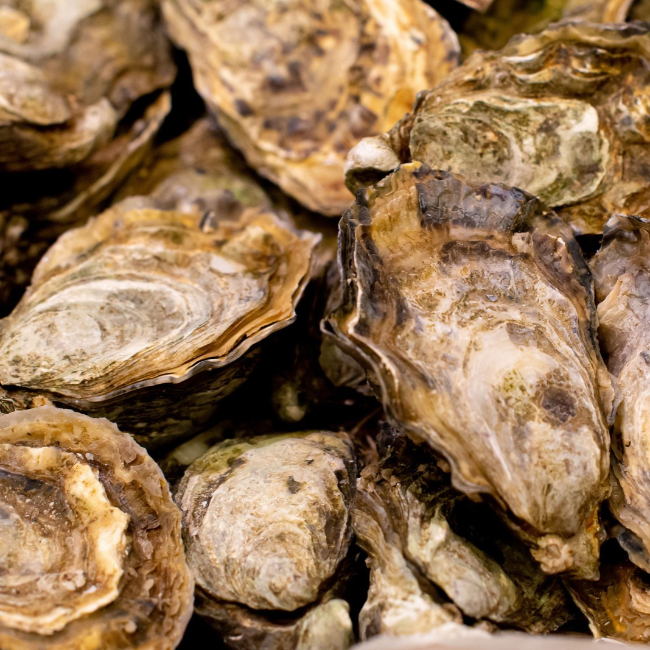
There is an old coastal saying that oysters are best during months with the letter “R” in their names. That traditionally means September through April, although South Carolina’s regulated wild shellfish season follows its own dates. For the 2026-27 season, recreational oyster and clam harvesting opened Oct. 1 and is scheduled to continue through May 15 unless conditions require a change.
The R-month tradition has some truth behind it. Oysters spawn during warmer months and tend to become fuller and more appealing as coastal waters cool. Before modern refrigeration, avoiding the hottest months also reduced problems with transporting highly perishable shellfish. Today, refrigeration and commercial food-safety systems allow oysters to reach consumers safely throughout a much broader part of the year, but fall and winter still feel like oyster season along the Carolina coast.
There is another part of the oyster tradition worth remembering, though. Finding oysters in coastal water does not automatically mean they are safe or legal to harvest. For most people who simply want a bushel for an oyster roast or fresh oysters for dinner, buying them from a reputable source such as Boulineau’s Foods Plus or Platt’s Seafood can take a lot of uncertainty out of the process.
What Are The Best Months For Oysters?
The traditional answer is the R months, which run from September through April. Cooler water generally follows the oysters’ warm-season spawning period, and oysters often develop fuller meats as water temperatures fall. That is one reason oyster roasts feel so naturally connected to late fall and winter in the Carolinas.
However, the R-month rule should not be treated as a food-safety guarantee. Vibrio bacteria naturally occur in coastal waters and are more common during warmer conditions, but infections can happen during any month of the year. An oyster carrying harmful bacteria does not necessarily look, smell or taste different from another oyster. Proper sourcing, handling and cooking still matter during November, December, January and every other month.
That makes the R-month tradition useful for thinking about seasonality and quality, but not as a replacement for modern shellfish safety practices.
Why Can Harvesting Your Own Oysters Be More Complicated Than It Looks?
Recreational oyster harvesting is legal in South Carolina when people follow the rules, so the issue is not that harvesting your own oysters is automatically unsafe. The challenge is that there is much more to it than walking into a marsh, finding an oyster bed and filling a bucket.
Recreational harvesters need the appropriate South Carolina saltwater fishing license and must harvest only from legal Public or State Shellfish Grounds with approved water quality. Private culture permit areas generally require permission. There are also harvest limits, seasonal rules and restrictions on when and how oysters can be collected.
More importantly, the status of a shellfish ground can change. A location that is normally open can temporarily close because of heavy rainfall, a storm, pollution or changes in water quality. South Carolina specifically tells harvesters to check current closure information before collecting shellfish.
For someone who harvests regularly and understands those requirements, checking the rules becomes part of the trip. For someone who simply wants oysters for Saturday night, buying from a reputable seafood seller is a much simpler choice.
Why Does Water Quality Matter So Much With Oysters?
Oysters are filter feeders. They pull water through their bodies to collect microscopic food, which also means they can concentrate bacteria and other contaminants found in the surrounding water.
South Carolina monitors shellfish-growing areas for fecal coliform bacteria because elevated levels can indicate conditions that increase the possibility of disease-causing organisms. Approved areas meet water-quality standards for direct harvesting, while restricted or prohibited areas do not meet the same requirements for direct harvest. Conditionally approved grounds can close temporarily when rainfall, river flow or other conditions affect water quality.
Heavy rain is particularly important because runoff can affect coastal water quality. South Carolina can close normally open grounds after major rainfall and requires additional monitoring before reopening certain areas.
That is one of the strongest reasons not to choose a harvesting location simply because you see oysters there. The oysters cannot tell you whether the water around them met current safety standards.
Why Is Buying Oysters From A Reputable Store A Smart Choice?
Buying oysters from an established seafood market or grocery store gives consumers something that can be difficult to create on their own: traceability.
South Carolina advises consumers to purchase shellfish that have been processed by certified shippers. Shellstock oysters sold through permitted retail food establishments come with identification tags containing harvest and processor information, and those establishments must keep the tags on file for at least 90 days.
That system creates a documented path back to where the oysters came from. If a problem develops with a particular harvest area or batch, regulators and seafood businesses have information that helps identify affected products.
Reputable commercial channels also operate under rules for storage and temperature control. South Carolina recommends storing nonfrozen shellfish between 34 and 45 degrees Fahrenheit. That cold chain matters because oysters are highly perishable and bacterial growth can increase when shellfish sit too warm after harvest.
When you buy your oysters from Boulineau’s Foods Plus or Platt’s Seafood, you can focus on the oyster roast instead of researching harvest grounds, checking closures and figuring out how quickly a freshly harvested bushel needs to get properly chilled.
Can You Tell Whether A Wild Oyster Is Safe By Looking At It?
No, and this is one of the biggest misconceptions surrounding oysters. An oyster containing harmful bacteria can look, smell and taste completely normal. That means finding a healthy-looking cluster in clean-looking water does not tell you whether that oyster is safe to eat raw or undercooked.
Vibrio bacteria naturally live in coastal waters, and oysters can concentrate those bacteria as they filter water. Cooking oysters properly kills harmful germs, while lemon juice, hot sauce and alcohol do not. People with certain underlying health conditions can face a much greater risk of severe illness from raw or undercooked shellfish and should follow medical guidance about avoiding them.
The same concern applies whether an oyster came from a recreational harvest or a store. Commercial sourcing does not make raw oysters risk-free, but it does add regulated sourcing, monitoring, identification and handling safeguards before the oyster reaches your kitchen.
Are There Other Risks To Harvesting Oysters Yourself?
Food safety is not the only consideration. Oyster reefs can be rough places to walk and work because oyster shells are sharp enough to cause cuts. Those cuts matter around coastal water because Vibrio bacteria can also cause wound infections when an open cut or scrape comes into contact with saltwater, brackish water or raw seafood.
Harvesters also need to understand how to remove oysters responsibly. South Carolina encourages people to cull oysters in place by leaving smaller oysters and dead shell behind, which helps support future oyster growth and provides habitat on the reef.
None of that means recreational harvesting cannot be enjoyable for knowledgeable harvesters who follow the rules. It does mean that DIY oyster harvesting involves more responsibility than many first-time harvesters realize.
Enjoy Oyster Season Without The Guesswork
The R months remain a great time to celebrate oysters along the Grand Strand. Cooler weather is perfect for oyster roasts, fall and winter have long been associated with fuller oysters and South Carolina’s regulated wild harvest season largely lines up with the traditional cooler-weather oyster season.
But the smartest oyster tradition might be knowing where yours came from.
Recreational harvesting requires checking licenses, legal harvesting grounds, current closures, water quality conditions, harvest rules and proper storage. Even then, an oyster cannot tell you by its appearance whether it contains harmful bacteria. Buying from a reputable source gives you the benefits of regulated commercial sourcing, shellfish traceability and established handling requirements without having to manage every part of the harvest yourself.
If an oyster roast is on your November or December plans, stop by Boulineau’s Foods Plus or Platt’s Seafood for fresh oysters and let the professionals handle the sourcing. You can take care of the steaming, shucking and enjoying.
FAQs
1. Why Do People Say You Should Eat Oysters During Months With An R?
The tradition dates partly to the oyster’s natural spawning cycle and partly to the days before reliable refrigeration. Oysters often become fuller as coastal waters cool, while the hottest months historically created more problems with spoilage during transportation. Modern refrigeration makes oysters available beyond the traditional R months, but fall and winter remain popular oyster seasons.
2. Is It Safe To Harvest Your Own Oysters In South Carolina?
Recreational harvesting can be done legally when harvesters have the required license, use approved Public or State Shellfish Grounds, follow current limits and check for temporary closures before harvesting. However, water-quality conditions can change after heavy rain, storms or pollution events, so harvesters need to verify the status of the area every time they go.
3. Why Should I Buy Oysters From A Seafood Market Instead Of Harvesting Them Myself?
Buying from a reputable seafood market or grocery store gives you a documented commercial supply chain with approved sourcing, certified shipper information, shellstock identification and controlled handling requirements. It also saves you from having to verify harvest areas, closures, licensing, limits and storage requirements yourself, making it an easier choice when your goal is simply to enjoy fresh oysters.