Fall fishing around Cherry Grove and North Myrtle Beach doesn’t end when October does. November can still bring excellent opportunities for red drum, spotted seatrout, black drum, whiting and other coastal fish, while December can continue to produce when weather and water conditions cooperate. The key is understanding that bait availability and fish behavior continue to change as the water cools.
The best baits for fall fishing in North Myrtle Beach include live shrimp, finger mullet, mud minnows, ghost shrimp, cut bait and artificial shrimp or baitfish imitations. No single bait wins every day. The right choice depends on the species you want to catch, whether you’re fishing the surf or inshore waters and what natural food fish are finding at that point in the season.
Boulineau’s Ace Hardware carries fishing tackle, rigs, hooks, artificial baits and other gear for local anglers, along with bait-related equipment such as cast nets and the new ghost shrimp pump. Knowing what each bait does well can help you build a more useful late-fall tackle plan instead of filling the cooler with everything you can find.
Why Do The Best Baits For Fall Fishing Change As The Water Cools?
Fall brings a gradual transition rather than one sudden change. Shrimp and baitfish can remain abundant during early fall, which gives trout, red drum, flounder and other predators plenty to eat. As November progresses and temperatures continue falling, some of those natural bait sources become less available or move into different areas.
That change is one reason anglers should avoid depending on a single bait through the entire season. Live shrimp might be easy to find and extremely productive one week, then become less available later. Mullet can also shift as seasonal movement continues, while some fish begin gathering in deeper channels, rivers or other wintering areas as December approaches.
A good late-fall strategy is to carry two or three different presentations. Natural bait can help when fish are feeding close to the bottom or want something familiar, while artificial shrimp, soft plastics and other lures let you cover more water when you need to find fish.
Is Live Shrimp Still Good Bait In November?
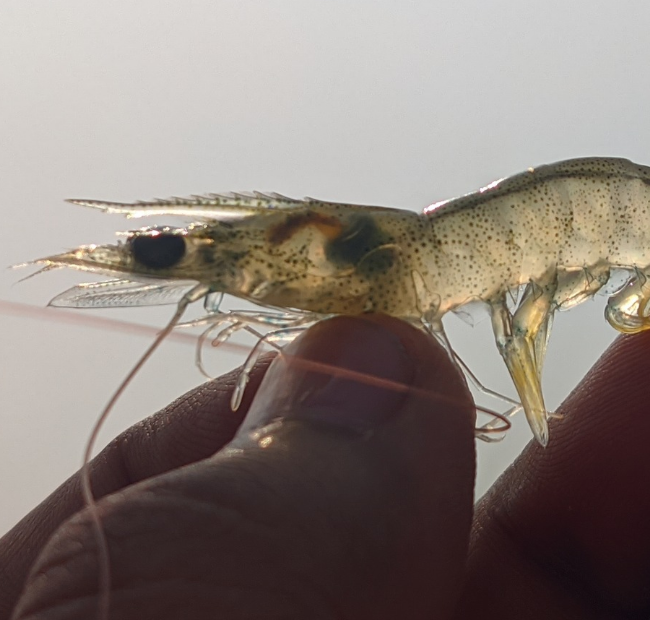
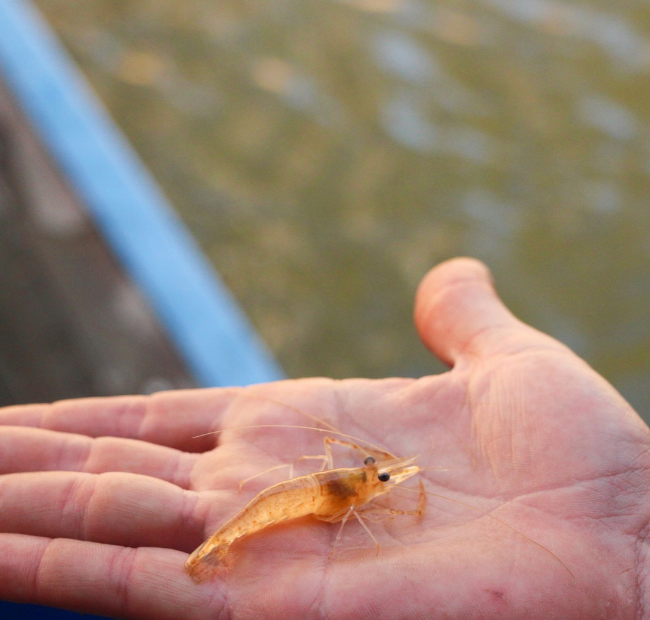
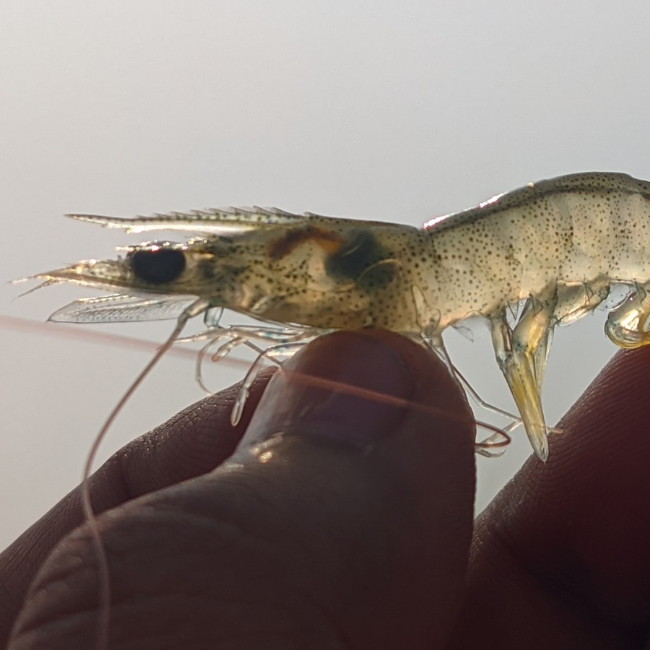
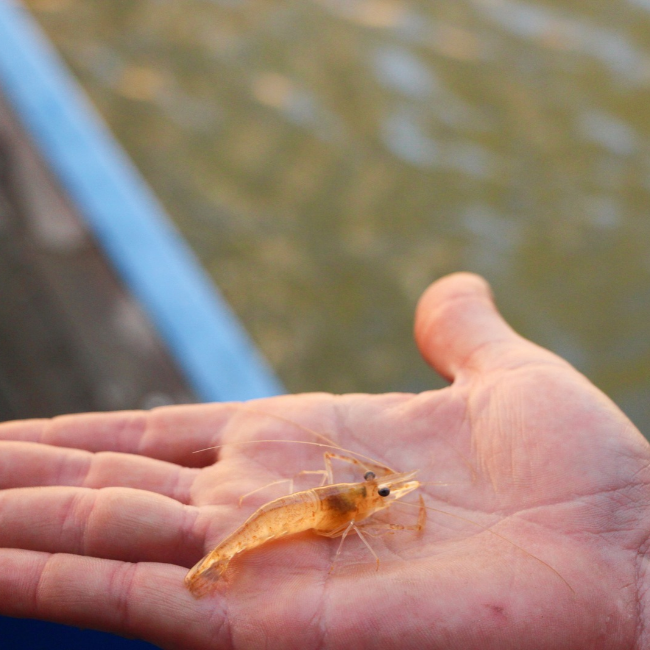
Live shrimp can remain one of the most versatile inshore baits during fall, especially for spotted seatrout, red drum and black drum. Shrimp naturally make up part of the diet of many South Carolina coastal fish, so they can work around creek mouths, marsh edges, oyster structure, jetties and other places where moving water carries food.
For spotted seatrout, live shrimp can be presented under a popping cork or another float setup to keep the bait moving naturally with the current. Red and black drum can also take shrimp presented closer to the bottom, depending on the location and conditions.
The biggest late-fall challenge is availability. As November advances and the water cools, live shrimp can become harder to locate. That makes it useful to have an artificial shrimp or another backup bait ready rather than building the entire trip around finding live shrimp.
When Should You Fish With Finger Mullet?
Finger mullet are one of the most useful fall baitfish because several popular local predators naturally feed on them. Red drum, flounder and larger spotted seatrout can all take mullet, and fall bait movement can create especially good opportunities when predator fish are actively following schools.
A Carolina rig can work well when you want a finger mullet near the bottom, particularly around creek mouths, depressions, inlets and other places where fish wait for bait to pass. Mullet can also be effective in the surf, where larger red drum and other predators might be feeding on moving baitfish.
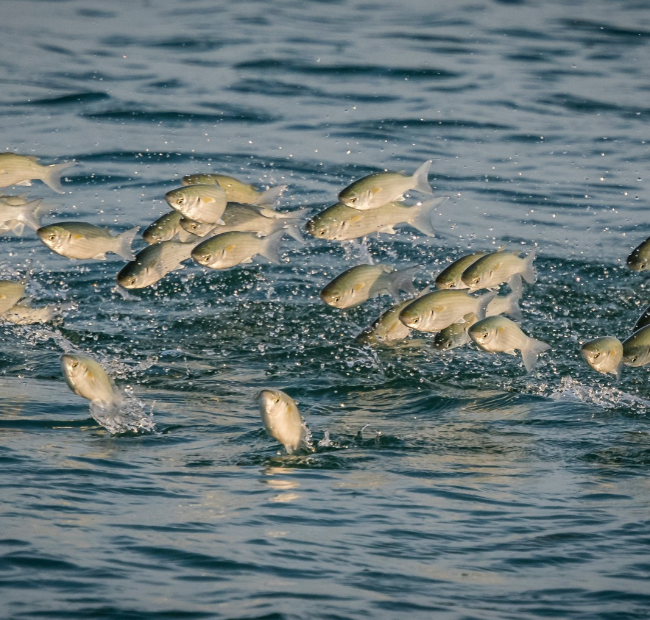
As the season progresses, pay attention to whether mullet are still visible in the area. Birds working the surface, baitfish jumping and schools moving along the shoreline can all signal activity. When predators are focused on mullet, presenting a natural mullet or a lure that resembles one can help you match what the fish are already eating.
Are Ghost Shrimp Good Fall Surf Fishing Bait?
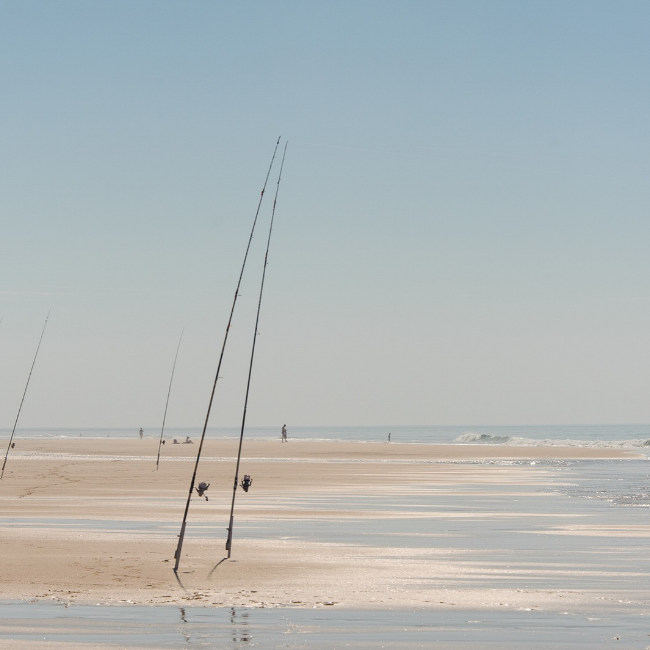
Ghost shrimp can add another natural option for surf anglers, especially when targeting fish that search sandy bottoms for small crustaceans. Whiting, drum and other bottom feeders can investigate a ghost shrimp presented on a bottom rig when those species are working the surf zone.
Unlike live shrimp purchased or caught in open water, ghost shrimp live in burrows beneath wet sand. Anglers can use a ghost shrimp pump to collect them where bait harvesting is allowed. Boulineau’s Ace Hardware now carries ghost shrimp pumps, making this an especially useful option to learn if you fish local beaches regularly.
Ghost shrimp are very soft, so they require careful handling and a smooth cast. They work best as one tool in the bait rotation rather than the only bait you bring. On a November or mild December surf trip, carrying ghost shrimp along with another natural bait gives you more ways to see what fish want that day.
When Are Mud Minnows A Good Choice?
Mud minnows are durable live bait that can work particularly well around inshore structure, creek mouths and other areas where flounder, red drum and trout feed. They tend to stay lively on the hook and can be easier to keep usable than more delicate baits.
For flounder, a mud minnow can be fished close to the bottom around structure, channel edges and depressions where fish wait for prey. Red drum can also take mud minnows around marsh and creek areas, while trout sometimes feed on them as part of their natural diet.
Mud minnows can become especially useful when shrimp availability decreases. Instead of abandoning live bait altogether, anglers can switch to another prey species that local fish already recognize. As fall moves toward winter, that flexibility can help extend the usefulness of a live-bait approach.
Is Cut Bait Good For Fall Red Drum?
Fresh cut bait can be an effective choice when targeting larger red drum, particularly around inlets and the surf. Cut mullet is a common option because it combines natural scent with a baitfish that drum already encounter during the fall.
A chunk of fresh cut bait presented on a bottom rig can stay in the feeding zone while scent moves through the water. This can be useful when you are targeting bigger fish rather than trying to catch every smaller species passing through.
Your tackle needs to match the fish you are targeting. Large red drum put much more pressure on rods, reels, leaders and hooks than whiting or smaller inshore reds, so anglers should build the entire setup for the expected fish rather than simply putting larger bait on light tackle.
When Should You Switch To Artificial Baits?
Artificial baits become increasingly valuable as natural bait becomes harder to find later in fall. Artificial shrimp, soft plastics and baitfish-style lures can imitate the prey that trout, red drum and other species are still searching for without requiring you to keep live bait alive.
For trout, artificial shrimp and soft plastics can be worked around moving water, creek mouths, oyster areas and deeper channels. As water becomes clearer in cooler weather, presentation can become especially important. Natural-looking colors and sizes can help imitate the smaller forage fish and shrimp still available.
Artificial lures also let anglers search an area faster. Instead of putting natural bait on the bottom and waiting, you can make repeated casts at different depths and locations until you locate feeding fish. That can be particularly helpful during November and December when fish might become more concentrated in certain areas.
What Bait Is Best For Whiting In The Fall?
Whiting, also called southern kingfish, feed primarily on bottom-dwelling prey such as shrimp, crabs and marine worms. That makes shrimp, ghost shrimp and other small natural baits good choices when fishing from the surf.
Whiting often feed closer to shore than inexperienced surf anglers expect. Instead of automatically casting as far as possible, try placing bait in troughs and other areas where waves expose small prey from the sand. A simple bottom rig with appropriately sized hooks can keep the bait where whiting naturally search for food.
Whiting can remain available during late fall, although they become less common as winter conditions strengthen. November can still provide worthwhile opportunities, while December results will depend more heavily on water temperature and changing conditions.
Should You Bring More Than One Type Of Bait?
Bringing more than one bait can be one of the smartest decisions for late-fall fishing. Fish preferences can change with tide, water clarity, temperature, available forage and location, so the bait that worked yesterday might not produce as well today.
A surf angler might bring ghost shrimp and another natural bait while keeping a few artificial options in the tackle box. An inshore angler could start with live shrimp, carry finger mullet or mud minnows and keep artificial shrimp or soft plastics ready if live bait becomes difficult to find.
You do not need to carry six different baits on every trip. Choose a few options that make sense for your target species, then pay attention to what the fish tell you. If one presentation begins producing consistently, you can focus on it instead of constantly changing.
Match Your Fall Fishing Bait To The Fish
Choosing the best baits for fall fishing in North Myrtle Beach becomes easier when you start with the fish you want to catch instead of asking which bait is best overall. Live shrimp can be extremely versatile, finger mullet can appeal to larger predators, mud minnows remain useful around inshore structure and ghost shrimp can give surf anglers another natural bottom bait. Cut bait can help when targeting larger drum, while artificial shrimp and soft plastics become increasingly valuable as natural bait availability changes.
November can still offer plenty of fishing around Cherry Grove and North Myrtle Beach, and mild conditions can carry opportunities into December. The important part is staying flexible as water temperatures, bait movement and fish locations continue changing.
Boulineau’s Ace Hardware can help you put together the hooks, rigs, line, lures and other tackle you need for late-fall fishing. Whether you are heading to the surf, a pier or inshore water, matching your bait and gear to your target species gives you a better starting point than relying on one bait for every situation.
FAQs
1. What Is The Best All-Around Bait For Fall Fishing In North Myrtle Beach?
Live shrimp is one of the most versatile fall baits because spotted seatrout, red drum, black drum and other coastal species naturally feed on shrimp. As live shrimp becomes harder to find later in the season, artificial shrimp, finger mullet, mud minnows and other options can help anglers continue matching local feeding patterns.
2. What Is The Best Fall Surf Fishing Bait?
Ghost shrimp, fresh shrimp, cut mullet and other natural bottom baits can all work in the fall surf depending on the species present. Whiting often respond well to smaller shrimp-type baits, while cut mullet and larger offerings can make more sense when targeting bigger red drum.
3. What Baits Should I Use In November And December?
During November, live shrimp, finger mullet, mud minnows, ghost shrimp, cut bait and artificial lures can all have a place depending on local conditions and target species. As December brings cooler water and natural bait becomes less abundant, artificial shrimp, soft plastics and other lures become increasingly useful, while natural bottom baits can still produce during favorable surf conditions.