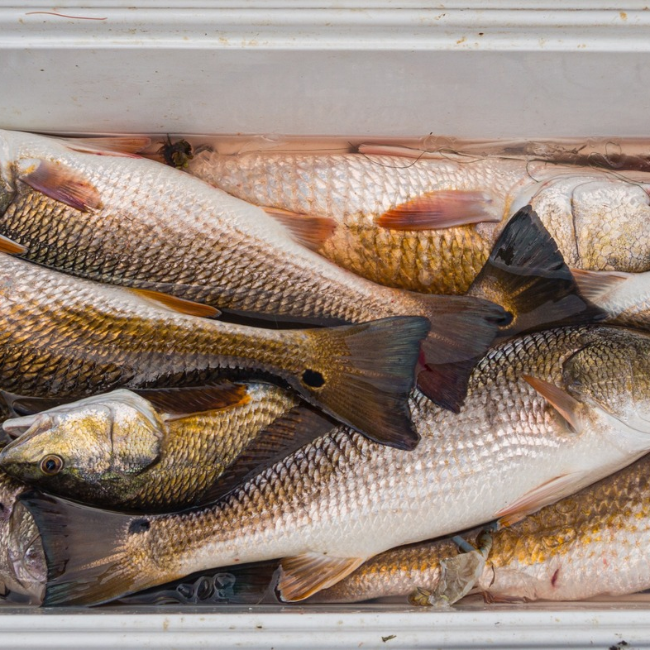
Red drum are one of the most popular saltwater fish along the South Carolina coast, and fall gives Grand Strand anglers several ways to target them. Smaller red drum remain in creeks, marshes and other inshore waters, while much larger adult fish can show up around inlets and beaches before moving farther offshore as the water cools.
For anglers fishing Cherry Grove, North Myrtle Beach and nearby areas, November can still offer good opportunities for red drum even though the peak fall feed often starts earlier. The biggest change is location. As temperatures fall, bait becomes less abundant and fish begin shifting toward deeper water and winter patterns. December can continue to produce red drum, especially inshore, but anglers need to adjust where and how they fish.
Successful fall red drum fishing starts with matching your bait, rig and tackle to the size of fish you are targeting. A smaller inshore red and a bull red off the beach require very different setups, so deciding what kind of red drum you hope to catch should come before choosing your gear.
Where Do Red Drum Go During Late Fall?
Juvenile and subadult red drum spend much of their time in estuaries, including tidal creeks, marsh edges and areas near oyster structure. During warmer months they can move into very shallow water to feed, but cooler temperatures gradually push them toward deeper creeks, river channels and other protected water.
That shift becomes more noticeable as November moves toward December. Instead of spending the whole trip working very shallow marsh edges, anglers might find better results around creek bends, deeper holes, channel edges and structure that gives fish both food and protection.
Adult red drum behave differently. Large fish spend much of their lives in coastal and offshore waters, but they move into sounds, inlets and nearshore areas during late summer and fall. As water temperatures decline in late October and November, many adults begin moving back toward deeper offshore water. That is why bull red fishing can be exciting in fall but becomes less predictable as winter approaches.
What Are The Best Baits For Fall Red Drum?
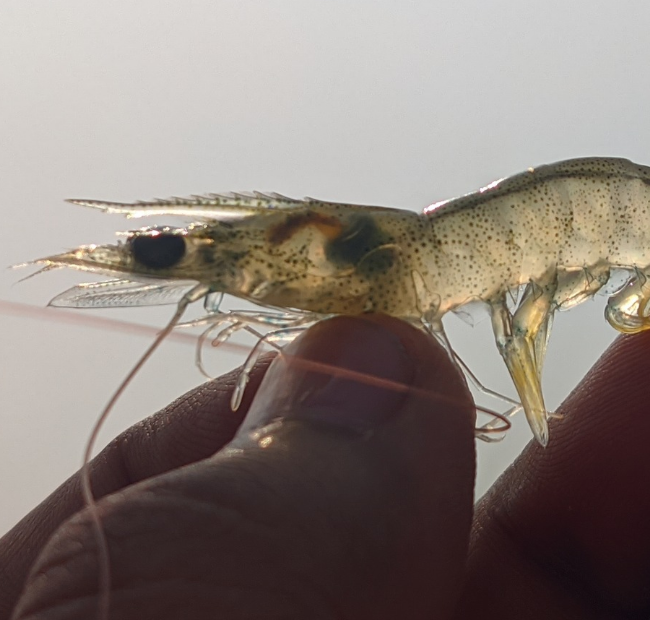
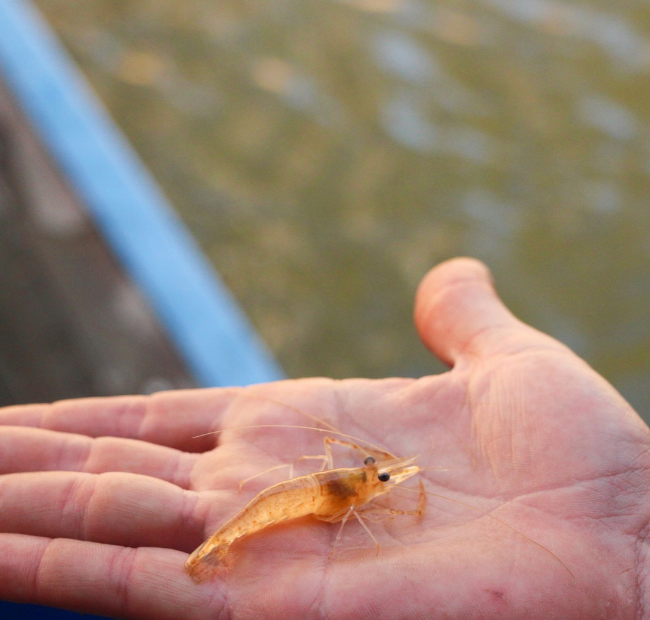
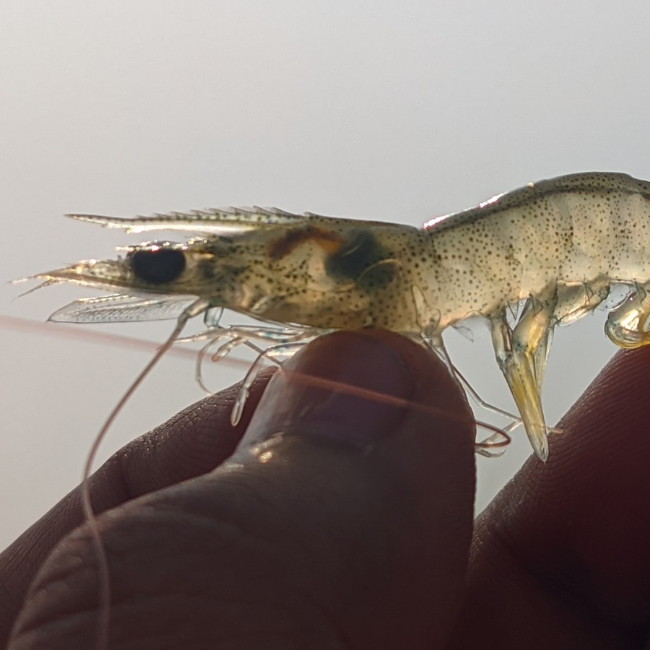
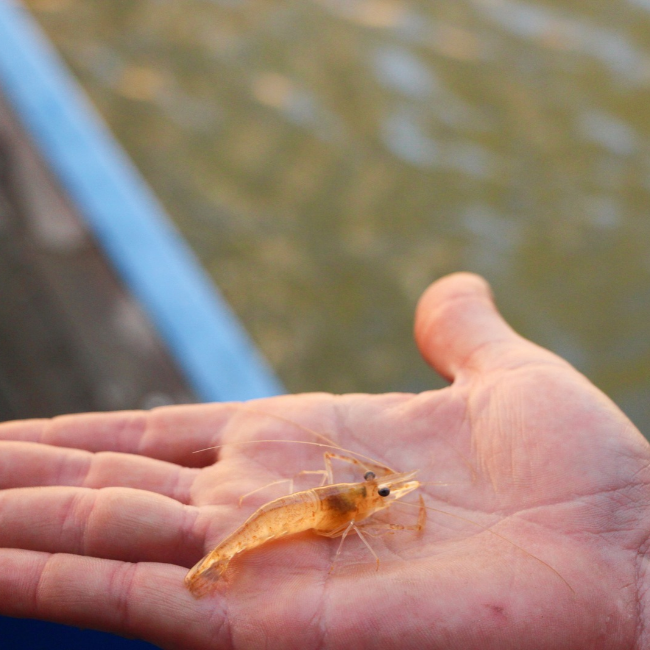
Shrimp and mullet are two of the most useful natural baits for red drum during fall. Smaller inshore reds commonly feed on shrimp, crabs and small fish, while larger drum can respond well to finger mullet, larger live baits and fresh cut mullet.
Live shrimp can work around oyster beds, creek mouths and other inshore areas where moving water carries food past waiting fish. As live shrimp becomes harder to find later in November, finger mullet, mud minnows and artificial shrimp can help fill the gap. Fresh cut mullet can also produce strong scent when fishing near the bottom.
Ghost shrimp can give surf anglers another natural option when red drum are feeding along sandy bottoms. They are soft and delicate, so they require careful rigging, but they can fit naturally into the diet of fish searching the surf for crustaceans. Boulineau’s Ace Hardware now carries ghost shrimp pumps for anglers who want to collect this bait where collection is permitted.
What Gear Do You Need For Fall Red Drum Fishing?
Your gear should match the fish and location rather than simply being as heavy as possible. Inshore anglers targeting smaller reds can often use a medium or medium-heavy spinning rod paired with a saltwater spinning reel. This setup gives you enough strength for red drum while remaining comfortable for casting live bait, soft plastics and other lures.
Surf anglers targeting larger reds need more power. A longer surf rod, suitable saltwater reel, stronger line and sturdy leader give anglers a better chance of handling a fish that can make long runs. Circle hooks work well with natural bait, while sinker size should match the current and surf conditions.
Keep several sinker sizes, extra leader material, hooks, swivels, pliers and a line cutter in your tackle bag. Fall weather can change quickly, and a rig that holds perfectly in the morning might start rolling across the bottom if wind or current picks up later.
Boulineau’s Ace Hardware carries rods, reels, line, leaders, hooks, rigs, sinkers and other gear for both inshore and surf fishing, so anglers can build their setup around the kind of red drum fishing they actually plan to do.
How Do You Catch Inshore Red Drum In November And December?
Inshore anglers should focus on places where red drum can find food without spending too much energy. Creek mouths, oyster edges, deeper bends, docks and channel edges can all be worth checking as temperatures fall.
Moving water remains important because current carries shrimp, baitfish and other food through these areas. On a falling tide, reds can wait where water drains from marshes and shallow creeks. Rising water can give fish access to structure and feeding areas that were too shallow earlier.
Live shrimp, finger mullet, mud minnows and artificial shrimp can all work, but presentation matters. Cooler water can make red drum less active, especially as December approaches. Slowing down the bait or lure can help when fish are no longer chasing fast-moving prey as aggressively as they did earlier in fall.
How Do You Catch Bull Red Drum From The Surf?
Bull red drum are mature fish that are much larger than the slot-sized reds commonly caught inshore. During fall, these fish can gather around inlets, jetties and beaches as they feed on mullet and other seasonal bait.
Fresh cut mullet and larger natural baits can work well when fished on the bottom with strong tackle. A fish-finder or similar bottom rig allows the bait to stay near the sand while giving a red drum some freedom to move after picking it up.
Casting farther is not always the answer. Large reds can move through troughs and cuts surprisingly close to the beach, especially when bait is present. Watch for mullet, birds, changing water color and areas where waves break differently because those signs can help reveal channels and feeding zones.
Most bull reds will be larger than South Carolina’s legal slot size, so anglers should expect to release them. Having pliers, a dehooking tool and the rest of your release equipment ready before the fish reaches shore can help shorten handling time.
What Artificial Lures Work For Fall Red Drum?
Artificial shrimp, paddletails, soft plastics, spoons and baitfish-style lures can all catch red drum. These options become especially useful as natural bait becomes less plentiful in late November and December.
Soft plastics can be worked around creek mouths, oyster edges and deeper channels. A slower retrieve often makes sense as water cools because fish do not always chase bait as aggressively during colder conditions. Small changes in retrieve speed and lure depth can make a big difference.
Artificial lures also help anglers cover more water. If you are trying to locate a school of reds rather than waiting in one place with natural bait, casting repeatedly along structure, channel edges and likely feeding areas can help you find active fish faster.
How Does The Tide Affect Red Drum Fishing?
Red drum move with water levels because the tide changes where they can feed. A rising tide can push fish toward marsh grass, oyster structure and shallow areas, while a falling tide can concentrate them around creek mouths, drains and channels as bait is pulled out of shallow water.
There is no single perfect tide for every spot. Learning how one creek, inlet or stretch of beach behaves throughout the tide cycle is often more useful than following a general rule. Look for moving water and places where current creates an easy feeding opportunity.
Late fall makes this even more important because fish might not roam as widely once the water gets colder. Finding the right combination of depth, current and food can matter more than covering a huge area.
What Are The Current South Carolina Red Drum Rules?
South Carolina currently allows anglers to keep red drum between 15 and 23 inches total length in state waters. The recreational limit is two fish per person per day with no more than six red drum per boat per day. Possession of red drum in federal waters is prohibited.
Those rules mean many of the large bull reds caught around beaches and inlets must go back into the water. These mature fish are an important part of the spawning population, so careful handling helps protect the fishery.
Regulations can change, so anglers should always check current South Carolina Department of Natural Resources rules before fishing. Boulineau’s Foods Plus sells South Carolina fishing licenses year-round at the Service Counter, making it easy to handle licensing before heading toward the water.
Keep Following Red Drum As Fall Turns To Winter
Fall red drum fishing around the Grand Strand does not suddenly stop when October ends. November can continue to produce fish in the surf, around inlets and throughout inshore waters, while December brings a stronger shift toward deeper winter locations.
The most important adjustment is recognizing which red drum you are targeting. Smaller fish can remain in estuaries and creeks, while larger adults gradually move farther offshore as temperatures fall. Bait, rig size and fishing location should change with them.
Boulineau’s Ace Hardware can help you prepare with rods, reels, line, hooks, leaders, sinkers, artificial lures and bait-catching gear for local red drum fishing. Match the setup to the fish, watch the tides and changing water temperatures, then let late-fall conditions guide where you make your next cast.
FAQs
1. What Is The Best Bait For Red Drum In November?
Live shrimp, finger mullet, mud minnows and fresh cut mullet can all work for red drum during November. Smaller inshore fish often respond well to shrimp and smaller live baits, while fresh cut mullet can be useful when targeting larger red drum around the surf or inlets. Artificial shrimp and soft plastics become increasingly helpful as natural bait becomes harder to find.
2. Can You Catch Red Drum In December Around North Myrtle Beach?
Yes. Red drum live in South Carolina waters year-round, although their locations change as temperatures fall. Smaller fish often move from shallow creeks toward deeper channels, rivers and other winter areas, while many large adults move farther offshore. December anglers should focus more on deeper inshore structure and slow their presentations when colder water makes fish less active.
3. Can You Keep A Bull Red Drum In South Carolina?
Most bull red drum are too large to keep because South Carolina’s current recreational slot limit is 15 to 23 inches total length. Anglers can keep two legal-sized red drum per person per day in state waters, with no more than six per boat. Large adult reds should be handled carefully and released as quickly as possible.